

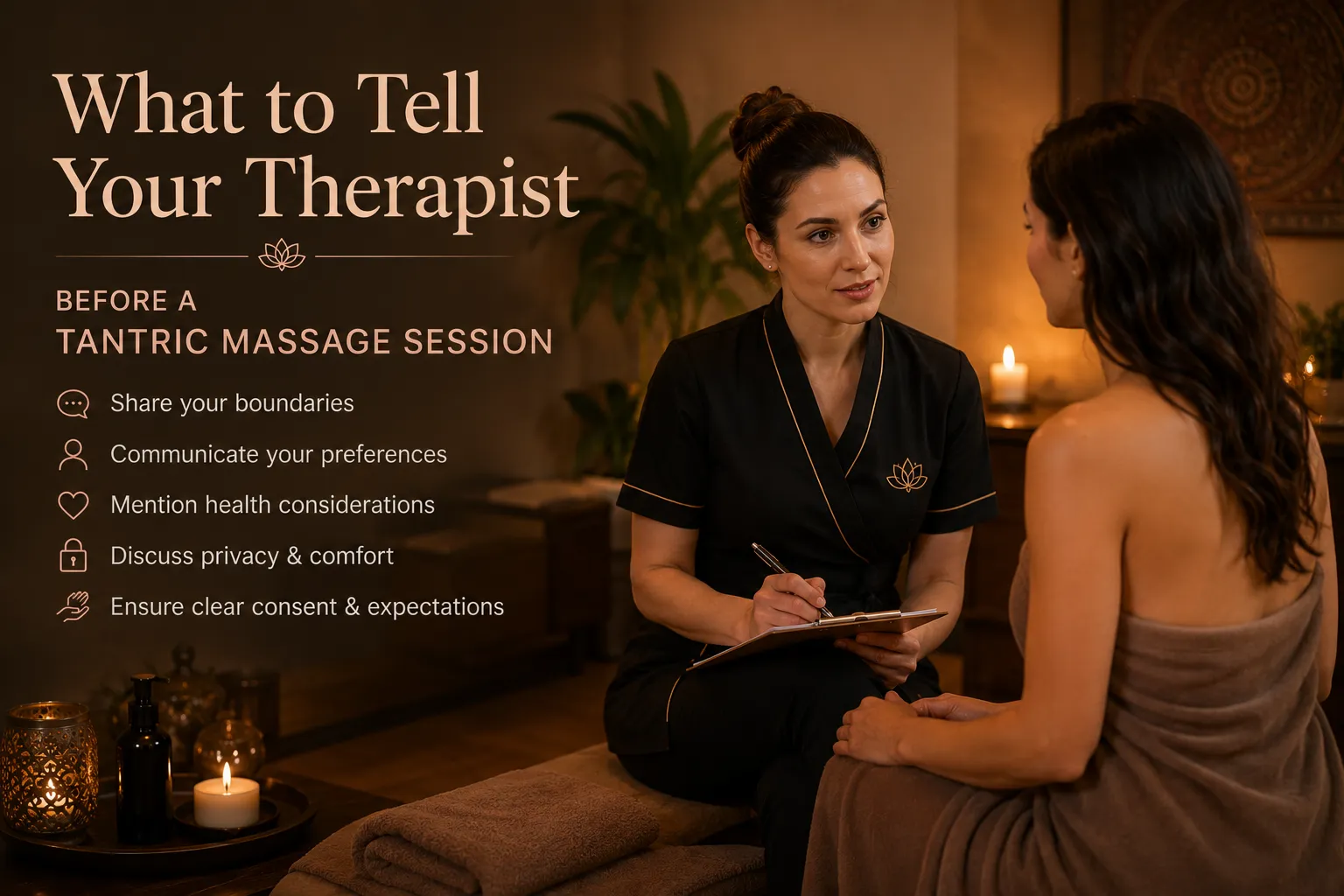
Preparing for an appointment requires clear communication, and you must talk to your practitioner. Clear words create a better experience for everyone involved. Do you feel nervous about your booking?
Many people experience anxiety prior to their first session. Simple preparation reduces this worry. We created this tantric massage guide to help you. It lists the exact details to share with your provider. You plan your conversation ahead of time. You arrive at the studio feeling confident.
Finding the Right Location
Choosing a reputable location is the first step. You need a safe environment, so you must verify the credentials of the staff. Many clinics offer massage in London. You must research these clinics carefully to find the right fit. Read reviews from past clients. Look for a professional massage environment. You want a place that prioritizes your physical comfort. Some people seek the Best tantric studio in London. You find these studios through careful research and reading. Look for clear contact pages. Check the physical address of the clinic. Check the credentials of the specific practitioner. Call the front desk and ask about their certification. A good studio answers the phone professionally. The staff answers your questions directly. They provide clear directions to their building.
- Read client reviews online.
- Verify the physical address of the building.
- Ask the receptionist about staff certification.
- Request parking instructions for your vehicle.
Discussing Hygiene Expectations
Personal hygiene creates a comfortable environment for both people. You shower prior to your arrival. You arrive feeling clean. You communicate this to your practitioner. Say “I showered prior to my arrival”. The therapist appreciates your effort. Clean skin absorbs massage oils much better. Dirty skin blocks the oil absorption.
You ask about the studio showers. Some clinics provide a shower in the room. You tell the therapist your plan to use the shower. They provide fresh towels for you. They provide soap and shampoo. You step onto the table feeling fresh. Your confidence grows.
The Initial Consultation
You arrive at the studio, then the therapist greets you. You sit down for a consultation. This conversation sets the rules for your session. You must be honest here. Do not hide your boundaries. Tell the therapist exactly what you want. Tell them what you do not want. This is the time for first-time massage questions. Ask about the oil they use. Ask about the room temperature. Ask about the lighting. The therapist needs this information. They tailor the appointment to your exact needs.
Discussing Physical Boundaries
Your physical health dictates the techniques used. You must list all your injuries. Tell the therapist about a bad knee. Mention a stiff shoulder. Tell them about recent surgeries. Mention any old sports injuries. The therapist avoids these areas. They change their hand pressure to protect you. Some clients like deep tissue pressure.
Others prefer a very light touch. You must state your preference clearly. The therapist does not read your mind, so you guide their hands with your words. Tell them which body parts are off-limits. Say “do not touch my feet” or “avoid my neck”. Clear rules prevent uncomfortable moments. Tantric massage therapists in London respect these physical boundaries. They listen to your instructions.
Sharing Your Emotional State
A tantric session involves emotional energy. You bring your current mood into the room. Tell the therapist your emotional state. Mention your stress or sadness. Mention your workplace anxiety. Mention your physical fatigue. The practitioner adjusts the pace of the appointment. They slow down the movements, then they give you time to relax. Emotional releases happen during an appointment sometimes. People often cry or laugh on the table. This is a normal reaction. The therapist creates a safe space for these feelings. You just need to communicate your emotional state beforehand. This helps the practitioner prepare the right environment for you.
Customizing the Environment
The physical room affects your comfort level. The room must be warm. You lie on a table for an hour. Cold air ruins the relaxation. Tell the therapist about the room temperature. They turn up the heater. They provide extra blankets.
Setting Room Preferences
Tell them about the music volume. Some people like loud music. Others prefer total silence. The practitioner changes the music. They want you to relax completely, so you control the environment with your words. Different studios have different rules about clothing. You must ask about the draping policy.
Draping involves the use of towels. The therapist covers your body with towels. They uncover only the part they touch. Tell the therapist your modesty level. Tell them your preference for coverage. The practitioner accommodates your request. They use extra towels. They respect your personal comfort zone. You dictate the level of exposure. You are in charge of your body at all times.
Choosing the Right Oils
Massage oils contain different ingredients. Some oils use almond extracts. Some oils use coconut extracts. You must disclose all your allergies. Tell the therapist about your nut allergies. Mention any skin sensitivities. The practitioner selects a safe oil. They stock hypoallergenic options. They protect your skin from rashes. Strong smells bother some people. Tell them your preference on scents. Tell them to extinguish candles. A scent-free room is easy to arrange. You only need to ask the therapist.
Guiding the Physical Work
The consultation ends, then the massage begins. Your communication does not stop here. You must speak up during the physical work. The pressure feels too hard sometimes. Tell the therapist immediately.
Say “please use less pressure”. You feel cold suddenly. Ask for a blanket right away. You have the right to change the rules. You stop the appointment at any time. The therapist expects your feedback. They rely on your verbal cues. Silence implies consent, so speak up to change the experience.
Defining Your Session Goals
Every client has a different goal. Some clients want pure relaxation. Some clients want to explore their physical energy. You must set an intention. Tell the therapist your goal. Say “I want to relieve my stress today”. Say “I want to feel more energized”. The practitioner focuses their techniques on this goal. They use slow strokes for relaxation. They use faster strokes for energy. Your intention guides the entire hour. Clear goals produce better results.
Managing Pain and Pressure
Every person has a different pain tolerance. Some muscles carry deep knots. The therapist rubs these knots. The rubbing causes temporary discomfort. You must define your pain scale. Tell the therapist to use a numerical scale. Say “this pressure is a level eight”. The practitioner lightens their touch. They drop the pressure to a level five. You control the intensity of the work. You never suffer in silence. The appointment remains a positive event. The therapist fixes the knot without causing agony.
Handling Mental Distractions
Your mind wanders during the session sometimes. This distraction ruins your focus. You must tell your therapist about your mental state. Tell them about your racing thoughts. The therapist uses grounding techniques. They press firmly on your shoulders. This physical pressure brings your mind back to the room.
Disconnecting from Technology
Your mobile phone distracts you from the experience. You must communicate your phone policy to the therapist. Tell them you turned off your phone. Tell them you left the phone in your bag. The practitioner appreciates this gesture. A ringing phone breaks the relaxed mood. A buzzing phone ruins the energy flow. You disconnect from the outside world completely. You dedicate this hour to your own health. The therapist dedicates this hour to your recovery. You both focus entirely on the physical work.
Preparing Your Body
Your physical state matters just as much as your mental state. You must prepare your body for the physical work.
Hydration and Digestion
Hydration plays a large role in your comfort. You must drink water prior to your arrival. Well-hydrated muscles respond better to touch. Tell your therapist about your water intake. Coffee dehydrates your body. You must avoid it. The therapist offers you a glass of water. Drink the water prior to the start time. Proper hydration prevents muscle soreness. It helps your body recover from the deep tissue work. Eating affects your physical experience. A full stomach makes lying down uncomfortable. You must tell your therapist about your last meal. A heavy lunch causes problems. The therapist avoids deep stomach work then. They focus on your back and shoulders. You schedule your meals around your appointment. You eat a light snack two hours prior. This prevents digestive discomfort. Clear communication about your digestion prevents awkward moments on the table.
Breathing and Sensations
Tantric sessions use specific breathing techniques. The therapist guides your breath. You match your inhales with their movements. This practice shares roots with Tantra yoga. The focus remains on energy flow. The focus rests on physical awareness. You must tell the therapist your experience level. Tell them your yoga background. Tell them your meditation habits.
This information helps them plan the hour. A beginner receives more verbal guidance. An experienced client needs less instruction. The therapist adjusts their teaching style to match your skills. Your breath acts as a tool. Deep breathing relaxes the nervous system. The therapist watches your chest rise and fall. They synchronize their hand movements with your breath. You must communicate your breathing difficulties.
Tell the practitioner about your lungs. Mention your asthma during the consultation. Tell them about your struggle to take deep breaths. The therapist adjusts their pace. They do not force you to breathe deeply. They adapt to your natural rhythm, so your comfort dictates the speed.
Establishing Long-Term Trust
A tantric session creates unique physical sensations. You feel energy moving through your limbs. Your skin tingles. These sensations surprise many first-time clients. You must report these feelings to the therapist. Say “my arm feels tingly”.
The practitioner explains the sensation. They reassure you. This removes your worry. You learn to accept the new feelings. You trust the process. The practitioner guides you safely through the experience.
Giving Immediate Feedback
The appointment finishes, then the therapist leaves the room. You get dressed. You return to the reception area. The therapist gives you aftercare instructions. You must listen to these rules. They tell you to drink water. Water flushes toxins from your body. They tell you to rest for the evening. You must share your immediate feedback. Tell them your favorite parts. Tell them your least favorite parts. This feedback improves your next visit. The practitioner records your notes in a file. They use these notes for future bookings.
- Drink a full glass of water after getting dressed.
- Tell the therapist which techniques felt best.
- Mention any uncomfortable moments.
- Rest for the remainder of the evening.
Planning Future Visits
Your first visit teaches you about your preferences. You learn which techniques work best for your body. You discover your ideal pressure level. You write these details down. You save this information for your next booking. You call the clinic to book another appointment. You request the same therapist. You repeat your preferences over the phone. The receptionist updates your client profile. This creates a consistent experience.
You skip the basic questions next time. You start the physical work faster. Trust grows over time. Your first session builds the foundation. Honest feedback strengthens this trust. You tell the therapist the truth. They accept your words without judgment. You return for a second visit. The therapist remembers your feedback.
They apply your rules. The physical work feels better. You relax faster. The communication cycle continues. You speak, and the therapist listens. The results improve. This relationship benefits your physical health. It benefits your mental well-being too. Every visit builds upon the last visit. You build a strong professional relationship with your provider.
Tracking Your Progress
You track your physical improvements over several weeks. You notice less tension in your back. You notice better sleep at night. You communicate these results to your therapist. Say “my back feels much better this week”. The practitioner uses this data. They adjust their techniques for the new session.
They focus on maintaining your healthy muscles. They avoid the repaired areas. You share your new goals. You want to work on your leg muscles next. The therapist pivots their attention to your legs. Your clear words guide the entire treatment plan. The communication cycle never ends. You build a long-term strategy for your physical health.











Leave a Reply