

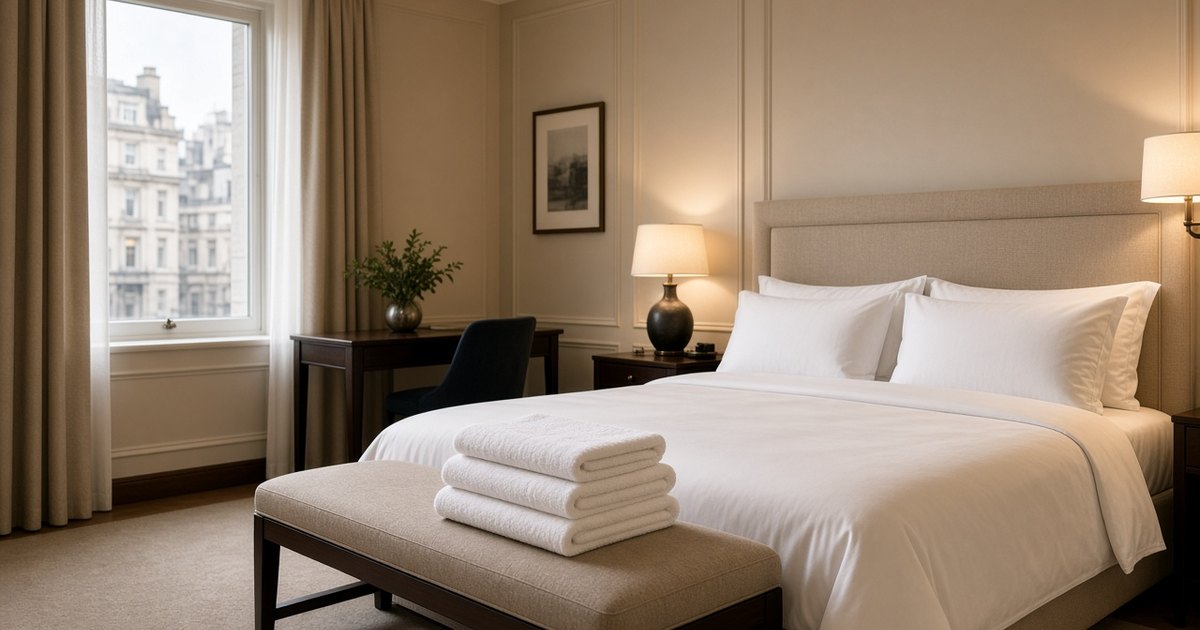
A hotel bedroom is private, but it is not an unrestricted venue for every service a guest might want to arrange. When someone books a visiting wellness practitioner, the hotel has its own responsibilities for safety, visitor access and the operation of the building. The practitioner also needs a workable appointment setting.
The most comfortable hotel visits often begin with a short conversation that takes place long before anyone reaches reception. The guest checks what is permitted, the provider confirms its service arrangements, and neither party is left negotiating rules in a crowded lobby.
Start with the hotel’s policy, not an assumption
Hotels differ in how they manage non-resident visitors. Some require names to be registered. Others restrict outside services or have time-sensitive visitor access procedures. A guest’s room booking does not automatically override those policies. Even when evaluating the best tantric massage therapists in London, a guest still needs to verify that the hotel permits a visiting practitioner and that access rules are understood.
Ask the front desk or review the hotel’s published guest policy before arranging an appointment. You can keep the question straightforward: “Are professional visiting wellness practitioners permitted, and is advance registration required?” If the answer is no, do not try to bypass the procedure through a side entrance or misleading description.
The same principle applies to serviced apartments and short-term rentals. A rental host’s visitor rules are not interchangeable with a hotel’s concierge procedures.
Separate the two bookings
There are usually two sets of information to confirm. The hotel controls access to its premises. The wellness provider controls the treatment service, including duration, price, professional boundaries, equipment and any travel arrangements.
A guest should understand what is included before agreeing to either. Does the provider actually offer hotel visits? Are they restricted to certain areas? Is travel charged separately? Will the practitioner bring a suitable portable setup, or does the venue need to provide an acceptable surface? A provider should not promise a service that the room cannot safely accommodate.
On its public pricing page, Tantric Massage London distinguishes outcall arrangements from appointments where clients visit a practitioner. The details of any hotel visit must still be checked for the specific booking; the site should not be read as a guarantee for every address.
The room should work for both people
Luxury does not automatically mean usable floor space. A large bed may occupy most of a compact room. A desk, suitcase and side tables can make moving around difficult. Before a practitioner arrives, ask what space and equipment are required. Do not move heavy furniture or interfere with hotel safety equipment to improvise a treatment area.
Consider ordinary features such as adequate light, clear access to the door, a comfortable room temperature and a place for personal belongings. Keep the route free of loose cables and bags. A visiting practitioner should be able to explain what they need without treating a client as their equipment manager.
Respectful arrival avoids unnecessary attention
A hotel lobby is a working environment, not a stage. The most discreet arrival is the one that follows the agreed rules and uses the correct check-in process. Share only the details legitimately required by the hotel and provider, and ask how these will be handled if privacy is important.
If the hotel permits visiting services, confirm the expected arrival window and whether the practitioner should check in at reception. A booking should not depend on the provider pretending to be a personal acquaintance. Straightforward arrangements protect the guest, staff and practitioner alike.
Boundaries follow the practitioner into the hotel
A visiting setting does not change professional consent. The service format, agreed contact, clothing or draping arrangements where relevant, and the ability to pause should be explained. A hotel guest may be tired, distracted or uncertain about how to ask a question; that makes clear communication more important, not less.
Equally, the practitioner has legitimate boundaries. They should know that the booking address is approved, the room is suitable and the visit can take place without interference. If either party decides the arrangements are not appropriate, the answer may be to postpone or choose another format.
Consider the hotel’s neighbours
Even in a large property, sound travels through doors and corridors. Avoid loud music or activity that disrupts nearby guests. Make sure any equipment complies with the hotel’s rules. Fragrances can also be noticeable beyond a room; ask before using strongly scented products or diffusers.
Clean-up deserves attention. Confirm who supplies linen and whether additional facilities are needed. Do not leave oily or other residues on hotel furnishings without the hotel’s approval. Where a treatment requires specialised preparation, a purpose-designed studio may be more suitable than a guest room.
A realistic arrival example
Imagine a traveller staying near Gloucester Road who wants to arrange a wellness appointment after a conference. They ask the hotel whether visiting massage professionals are allowed. Reception explains that the visitor must be registered and arrive within a stated window. The guest then contacts a provider, confirms the exact service and receives an itemised price with any travel cost.
Nothing dramatic happens on the evening. That is the point. The guest knows what to expect; the hotel is aware of the visitor; the practitioner has a workable route and an approved setting. Good hospitality often looks like the absence of an avoidable problem.
The distinction between hotel concierge and wellness provider
A hotel concierge may help guests understand local services, but the concierge does not automatically supervise a third-party therapist or certify a treatment’s suitability. Likewise, a practitioner is not responsible for rewriting hotel rules. Keep the responsibilities clear. Ask the hotel whether outside visits are permitted, ask the service business what it supplies, and retain the ability to decide whether the combined arrangement is acceptable.
If the booking involves a third-party marketplace, establish who handles payment, changes and complaints. A hotel listing or recommendation should not be mistaken for a promise that the hotel itself provides the treatment. Knowing which organisation is responsible for each part of the booking prevents confusion when plans change.
A practical room-preparation conversation
The useful questions are surprisingly simple. Is there adequate space and a clear walkway? Are any required surfaces or supplies available? Does the service involve oils or products that could affect furnishings? If a shower or other facility is necessary, is it appropriate and permitted? A practitioner should explain what a standard hotel room can support and when a dedicated studio would be more suitable.
For the guest, the aim is not to convert the room into a spa. It is to avoid moving unsuitable furniture or making promises on behalf of hotel staff. For the practitioner, it is to know that the environment is workable before travelling. Small practical decisions create a more respectful visit for everyone.
The useful final questions
Before paying, confirm the hotel’s permission, the visitor-entry procedure, the exact service scope, the total charges and the cancellation terms. If there is uncertainty about any one of these, resolve it before the appointment rather than improvising on the day. For a hotel appointment involving Tantric Massage London, the hotel’s visitor rules and the provider’s confirmed arrangements need to agree before the visit goes ahead.
A professional hotel wellness visit should feel ordinary in the best sense: authorised, well communicated, respectful of everyone using the building and free from promises that no one has actually verified.











Leave a Reply