

Massage can be a quiet hour away from daily demands, a way to ease general muscular tension, or one part of a broader wellbeing routine. It is also surrounded by claims that range from reasonable to medically implausible. Understanding the difference helps you choose a session for the right reasons.
Research suggests massage therapy may support relaxation and provide short-term relief for some types of pain. The strength of evidence varies by condition, technique, comparison treatment and study quality. Massage is not a universal cure, and research on conventional massage cannot automatically prove the effects of every specialist style.
This guide gives adults a practical view of the evidence, likely wellness benefits, safety considerations and first-session experience. It also explains how to compare options when looking for tantric massage in London without relying on exaggerated promises.
What Are the Main Benefits of Massage Therapy?
The most realistic potential benefits of massage include:
- Supporting relaxation and a temporary break from everyday stress
- Easing feelings of general muscular tightness or stiffness
- Providing short-term comfort for some pain conditions
- Encouraging awareness of posture, breathing and physical tension
- Creating a calmer transition into rest or sleep
- Offering focused personal time within a consent-led setting
Results differ between people. A benefit may be immediate and subjective, such as feeling calmer, or condition-specific and measurable, such as a short-term change in pain. Neither type should be guaranteed.
Claims about detoxification, trauma stored in muscles, permanent hormonal balance, boosted immunity, restored energy pathways or cures for anxiety and depression need much stronger evidence than massage marketing usually provides. A trustworthy provider describes massage as complementary wellness support, not a replacement for healthcare.
What Is Massage Therapy?
Massage is the manual manipulation of soft tissues such as skin, muscle, tendon, ligament and fascia. Practitioners may use gliding strokes, pressure, kneading, compression or gentle movement. The techniques and intensity depend on the massage style, the practitioner’s competence and the client’s preferences.
Some massage is primarily relaxation-focused. Sports, remedial or clinical approaches may work towards a defined physical goal within the practitioner’s training. Tantric massage often places more emphasis on slower pacing, sensory attention, breathing and whole-body awareness. Because the term does not describe one standardised clinical protocol, clients should ask what a particular provider means by it.
The word “therapy” does not automatically make a service a medical treatment. Persistent pain, injury, neurological symptoms, sexual-health concerns or psychological distress require appropriately qualified care. Massage may sometimes complement that care when it is safe and agreed with the relevant professional.
Which Massage Style Fits Your Goal?
Choose by purpose rather than by the most impressive name. A gentle relaxation massage may suit someone who wants quiet and light-to-medium pressure. Sports or remedial work may be more relevant when a suitably trained practitioner is supporting a defined musculoskeletal goal. Deep-tissue techniques use firmer pressure, but they are not automatically more effective and are not suitable for everyone.
Tantric or sensual styles may appeal to adults seeking slower pacing, sensory focus and a more explicitly mind-body experience. The provider should still explain the practical scope, boundaries, products and pressure used. No style is universally superior, and a specialist label does not prove clinical training. When your objective is medical, rehabilitative or psychological, start with the relevant regulated professional and ask whether complementary massage is appropriate.
What Does the Research Actually Support?
Evidence about massage needs careful interpretation. The US National Center for Complementary and Integrative Health reports that massage has been studied for several pain conditions and other health concerns, but results and evidence quality vary.
A 2024 systematic review in JAMA Network Open mapped recent reviews of massage for painful adult conditions. Most conclusions were based on low- or very-low-certainty evidence. A small number reached moderate certainty, and none reached high certainty. Evidence that massage was better than other active treatments was uncommon.
That finding does not mean every massage is ineffective. It means the answer is more specific than “massage works.” The condition, outcome, technique, timing and comparison all matter. Short-term pain relief in one population does not prove long-term recovery in another.
It is also important to separate evidence about massage generally from evidence about tantric massage. Tantric massage has not been established as a distinct, standardised clinical intervention. Research on touch, breathing or relaxation may provide relevant context, but it cannot validate every claim attached to a tantric session.
Relaxation and Everyday Stress
Relaxation is one of the most credible reasons to book a massage. A calm setting, agreed touch and time away from interruptions may help a person shift attention from tasks towards physical sensation and rest.
UK advertising guidance for massage and bodywork generally accepts cautious claims about aiding relaxation, relieving everyday stress, supporting sleep and promoting a sense of wellbeing. This wording is deliberately different from claiming to treat an anxiety disorder or another medical condition.
The experience is personal. Some people settle quickly, while others need time to become comfortable. A professional practitioner should not suggest that you have failed if you do not feel immediately relaxed. Nor should they interpret unease as proof of a blockage that requires additional treatment.
Massage can offer a pause, but it cannot remove the source of chronic workplace pressure, financial stress, relationship difficulty or a mental-health condition. Its role is supportive and limited.
General Muscular Comfort
Massage may help tight or tired muscles feel more comfortable. Warmth, suitable pressure, supported positioning and slow movement can contribute to a temporary sense of ease. This may be welcome after a demanding week, prolonged sitting or ordinary physical activity.
Temporary comfort is not the same as injury repair. Recurring pain can have many causes, and a practitioner should not diagnose it without the relevant clinical qualifications. If discomfort is severe, unexplained, associated with weakness or numbness, or continues to worsen, seek medical advice.
Pressure should remain tolerable. A massage does not need to hurt to be effective, and greater force is not automatically better. Tell the practitioner if an area feels painful, numb or unusually sensitive. You can request a lighter technique, change position or stop.
Short-Term Help for Some Types of Pain
Massage has been studied for low-back pain, neck and shoulder pain, knee osteoarthritis and other painful conditions. Some research suggests short-term benefit, but results are not consistent and evidence certainty is often limited.
This makes precise language essential. It is reasonable to say massage may help some people manage discomfort for a period. It is not reasonable to promise that it corrects the underlying cause, prevents recurrence or replaces physiotherapy, medication or medical investigation.
For a diagnosed condition, ask the healthcare professional managing your care whether massage is suitable and what precautions apply. Choose a practitioner whose training matches the purpose of the appointment. A relaxation or tantric session should not be presented as equivalent to clinical rehabilitation.
Body Awareness and Sensory Attention
Many adults spend long periods focused on screens, commuting or mentally demanding work. Massage creates an opportunity to notice the body more deliberately: where tension is held, whether breathing has become shallow, which positions feel supported and how different levels of pressure feel.
This is sometimes called body awareness or interoception. Research linking mindfulness with objective body-awareness measures remains mixed. A 2025 systematic review and meta-analysis reported a small association alongside substantial variation, possible publication bias and study-quality limitations.
The safest conclusion is practical rather than grand. A massage can provide time to notice sensations and communicate preferences. It cannot guarantee lasting confidence, emotional transformation or psychological healing.
Slow Breathing and Present-Moment Focus
Some massage styles invite the client to notice or gently slow their breathing. This can provide a neutral focus and may help the session feel less hurried.
A systematic review of voluntary slow breathing found associations with changes in heart-rate variability during and after breathing practice. That research concerns breathing itself. It does not prove that massage resets the nervous system, heals disease or produces a particular emotional outcome.
Breathing guidance should be optional and comfortable. It should not involve forceful patterns, long breath holds or anything that causes dizziness, panic or breathlessness. People with relevant respiratory, cardiovascular or panic-related conditions should seek suitable guidance before intensive breathwork.
Rest and Sleep Support
Feeling relaxed or sleepy after massage is common, and an evening appointment may provide a useful transition from work into rest. However, an enjoyable session is not evidence that insomnia has been treated.
Sleep depends on routine, light, noise, alcohol, caffeine, medication, pain, breathing, mental health and medical conditions. Persistent sleep difficulty deserves proper assessment. Massage can be one relaxing part of a routine, not a guaranteed sleep solution.
After a session, give yourself time to dress and make sure you feel alert enough to travel. Drink according to normal thirst. Excess water is not needed to flush toxins because massage has not been shown to release stored toxins from muscle.
Consent, Choice and Clear Boundaries
A professional massage should give the client meaningful choices. Consent is specific and ongoing. Agreeing to a booking is not consent to every technique, body area or stage of a session.
The CNHC Code of Conduct, Ethics and Performance describes consent as a continuing process for its registrants. Even when a provider is not registered with that organisation, the underlying principles are useful: explain the service, respect refusal, protect privacy and allow the client to change their mind.
Before touch begins, the session scope should be clear. During the massage, you can request a change in pressure, position, temperature, scent, music or technique. You can exclude an area, pause or end the session without needing to justify the decision.
This is especially important for tantric massage because providers may use the term differently. Clear information is safer than assumptions.
Tantric Massage Compared With Conventional Massage
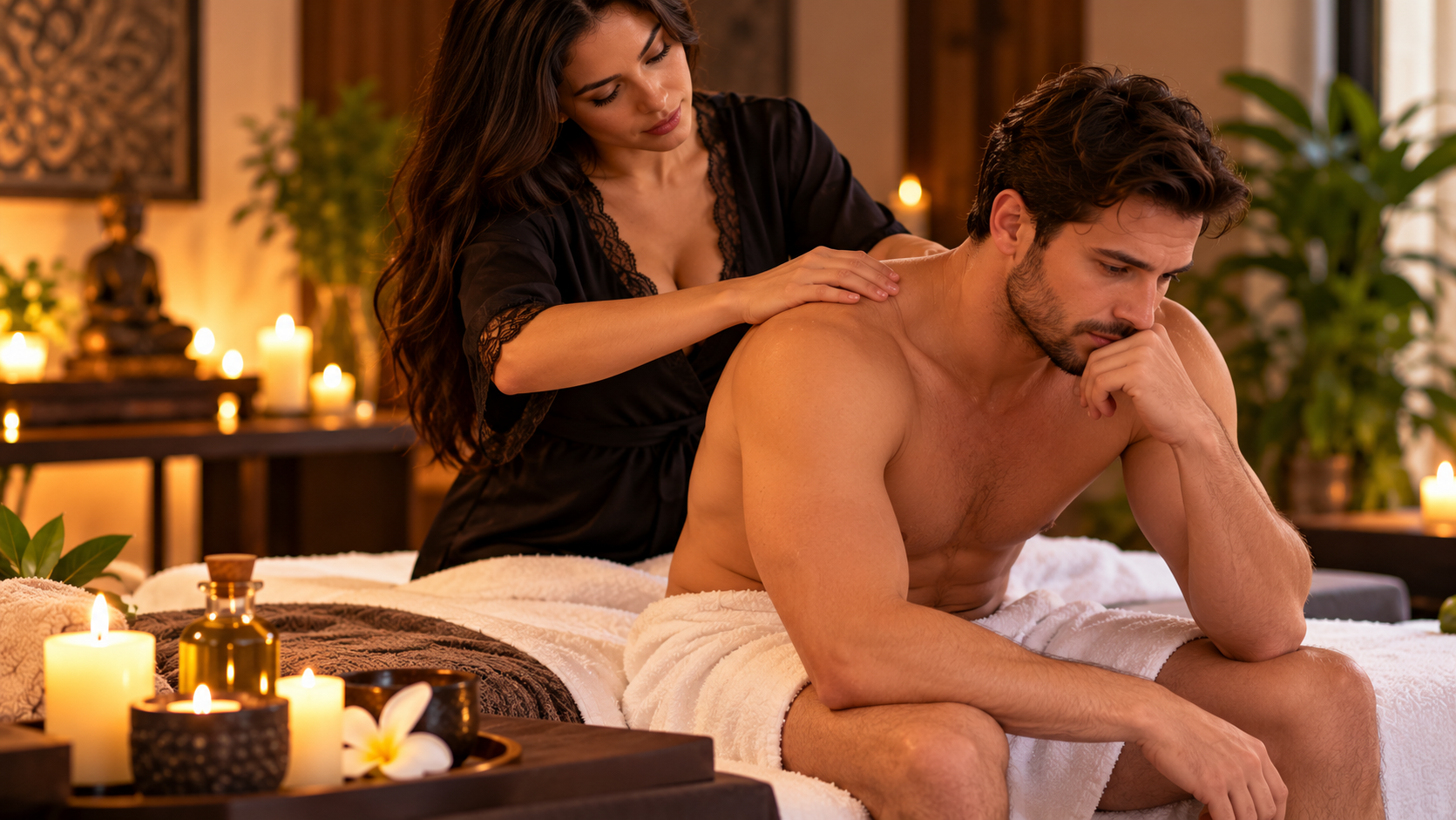
Tantric and conventional relaxation massage can share oil, long strokes, a calm room and attention to comfort. Tantric massage may add a slower pace, breath awareness, pauses, sensual attention or spiritual language, depending on the provider.
These differences are not evidence that one style is medically superior. Spiritual concepts such as chakras or energy flow may be meaningful within a personal tradition, but they should not be described as proven anatomy. Emotional reactions can also occur during quiet, touch-based experiences, but they do not prove that trauma has been released from tissue.
Because terminology varies, compare the verified session description rather than the label. If you are considering adjacent services, review how the studio defines sensual massage in London and ask about any difference that matters to you.
Massage and Yoga for Holistic Wellness
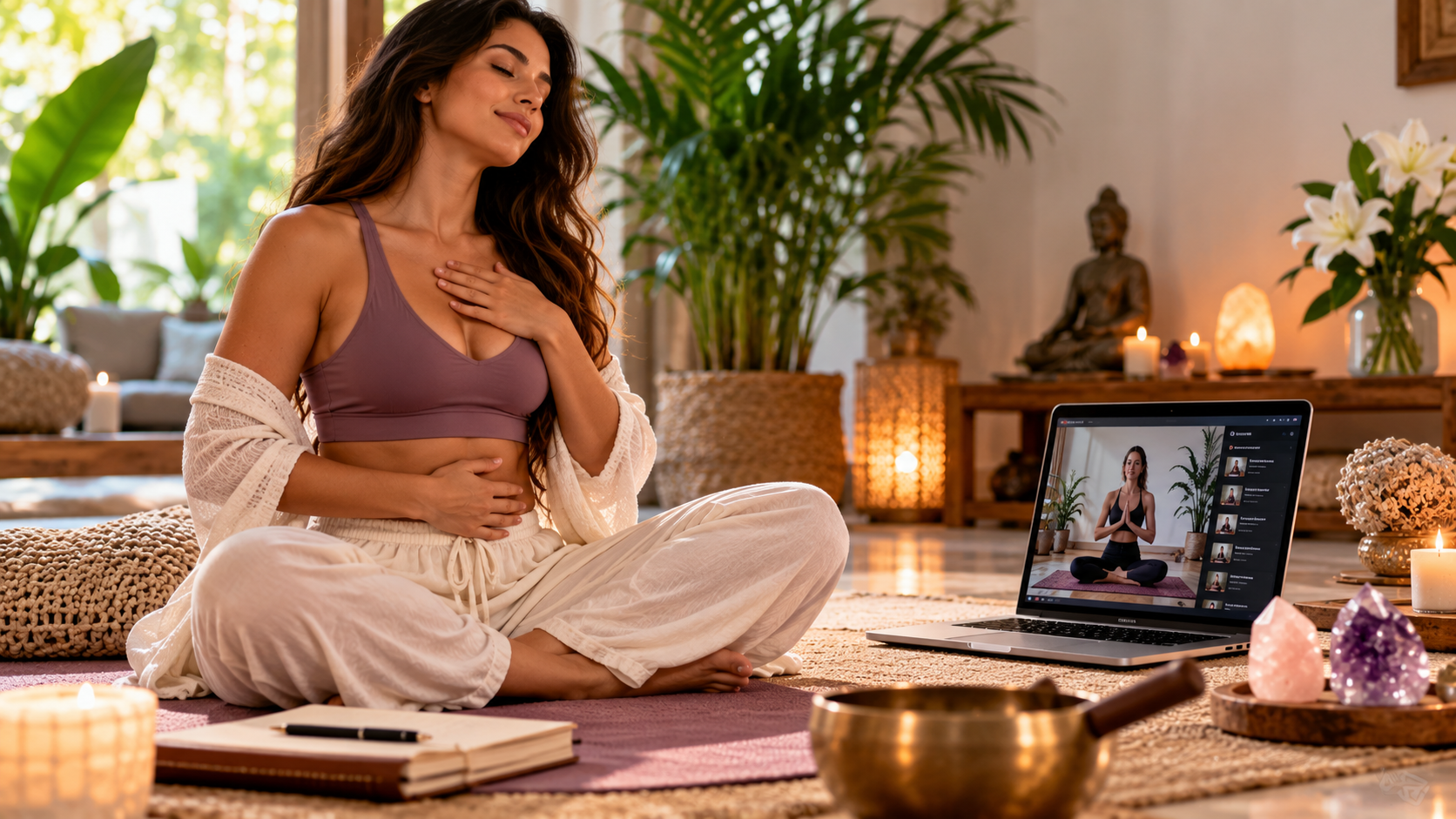
People interested in yoga for holistic wellness may also consider massage because both can encourage attention to posture, breathing and bodily sensation. They remain different activities.
Yoga is usually an active practice involving movement, stillness, strength, mobility, breathing or meditation. Massage is largely received. Yoga may help a person develop an ongoing personal practice, while massage can offer occasional supported rest.
Neither should replace medical assessment. If combining them, avoid a demanding yoga session immediately after massage when you feel sleepy or tender. Choose qualified instruction and adjust both activities to your health, mobility and comfort.
What to Expect Before Your First Massage
A responsible booking process should answer practical questions before you pay. Confirm the massage style, duration, price, location and whether consultation, changing or shower time is included.
Review the studio’s current session prices, check the available London locations and read the booking FAQs. If you are considering an outcall massage, confirm current coverage and whether the provider attends hotels, homes or both. Website information can change, so clarify anything important directly.
Ask what clothing or draping arrangements apply, what products are used, and how privacy is protected. Mention relevant allergies, injuries, pregnancy, medication and health conditions. You do not need to share unrelated personal information.
Set a simple goal. “I want a slow relaxation session with light-to-medium pressure” is clearer than expecting the practitioner to guess.
What Happens During the Session?
The practitioner should begin with a brief check-in about goals, relevant health information, pressure and boundaries. Correct any misunderstanding before the massage starts.
You should be given privacy to change and should undress only to the level appropriate to the agreed service and comfortable for you. The practitioner should explain clothing or draping rather than treating it as obvious.
Oil or lotion may be applied to reduce friction. Tell the practitioner about allergies or scent sensitivity. The massage may begin slowly and change in pace or pressure, but it should stay within the scope you approved.
Communication can be direct: “lighter pressure,” “avoid that area,” “I need a different position,” or “please stop.” There is no correct emotional response. You may feel relaxed, alert, self-conscious, sleepy or neutral.
What Should You Expect Afterwards?
Take a few minutes to sit up, dress and check that you feel steady. Mild tenderness can occur after firmer work. Severe pain, unusual swelling, weakness, numbness or feeling medically unwell should not be dismissed as detoxification.
Normal food, rest and hydration are generally enough. If a product irritates your skin, stop using it. Seek appropriate medical advice for significant or persistent symptoms.
Judge the session using practical questions. Did the experience match the description? Were your boundaries respected? Was the environment clean? Could you communicate easily? These signals are more useful than dramatic promises about transformation.
How to Choose a Massage Studio in London
The “best massage studio in London” is not a universal winner. The best fit for you depends on the service you want, clear boundaries, practitioner competence, location, price and how well the provider answers questions.
Look for:
- A clear description of what the session includes and excludes
- Transparent prices, duration, deposits and cancellation terms
- Current practitioner profiles with verifiable information
- Consent, privacy and stopping procedures
- Hygiene standards and product or allergy information
- Honest wellness wording without cure or detox claims
- A secure, proportionate booking process
Read how the studio describes its approach and confirm details that matter to you. Avoid assuming that luxury language or a high price proves skill.
Choosing Among Popular Massage Therapists in London
Searches for popular massage therapists in London can help you discover profiles, but popularity is not a professional qualification. Visibility may reflect advertising, photography, location or availability rather than suitability.
Start with the session you want, then compare communication style, relevant experience, location and current availability. The brand’s live therapist directory is more reliable than reproducing a static list in an article because profiles and schedules can change.
Reviews may offer clues about punctuality, cleanliness, communication and whether the description matched the experience. They cannot prove medical results or guarantee that another client will have the same response.
When Should You Avoid Massage or Ask a Clinician First?
Massage is generally low risk when it is appropriate and performed carefully, but it is not suitable in every situation. Seek medical guidance if you are pregnant, recently had surgery, are receiving cancer treatment, take anticoagulants, have a bleeding disorder, severe osteoporosis, a current or suspected blood clot, significant heart or circulation problems, an acute injury, fever, infection, broken skin or severe unexplained pain.
Massage should not be applied directly over an open wound, burn, fracture, suspected clot, tumour, infection, recent surgical site or medically sensitive treatment area without appropriate advice. Cancer Research UK and Macmillan Cancer Support provide specific guidance for people affected by cancer.
Stop if you experience severe pain, dizziness, breathing difficulty, numbness or another concerning symptom. Massage should complement, not replace, diagnosis or treatment.
Frequently Asked Questions
Is massage therapy scientifically proven?
Massage has been researched, but evidence strength varies by condition and outcome. Some findings suggest short-term benefits, particularly for certain pain conditions, while many conclusions remain low certainty. No single finding proves every massage style or marketing claim.
Is tantric massage a medical treatment?
No. Tantric massage has not been established as a standardised clinical treatment. It may be chosen as a relaxation or sensory wellness experience, but it should not be used to diagnose or cure physical or psychological conditions.
Can massage reduce stress?
Massage may help some people relax and find temporary relief from everyday stress. It should not be promoted as treatment for an anxiety disorder, depression, trauma or panic attacks.
Does massage remove toxins?
There is no good evidence that massage pushes stored toxins out of muscle or that excessive water is needed afterwards. Drink normally according to thirst.
Does massage have to hurt to work?
No. Severe pain is not a measure of effectiveness. Ask for lighter pressure or stop if a technique feels painful or unsafe.
What should I wear?
Arrangements depend on the service. Ask what clothing or draping is used and undress only to the level appropriate to the agreed session and comfortable for you.
Can I change my mind during a massage?
Yes. Consent is ongoing. You can change the pressure, exclude an area, decline a technique, pause or stop at any time.
How often should I book a massage?
There is no universal evidence-based schedule. Begin with one session, assess how you respond and decide whether occasional appointments suit your health, preferences and budget. Be cautious of packages justified by claims about toxin removal or guaranteed healing.
Make an Informed Choice
The strongest case for massage is realistic: it can offer focused time, consensual touch, relaxation, body awareness and temporary muscular comfort. Research also suggests short-term value for some pain conditions, although certainty and results vary.
If a slower, sensory approach appeals to you, explore tantric massage in London, compare current therapist profiles and confirm the session scope, price and location before booking. Choose the service because it fits your preferences and boundaries, not because of a health promise no responsible provider can guarantee.





Leave a Reply