


A retreat can create room for focused attention, but deeper connection depends on consent, curiosity and what a couple continues to practise after returning home.
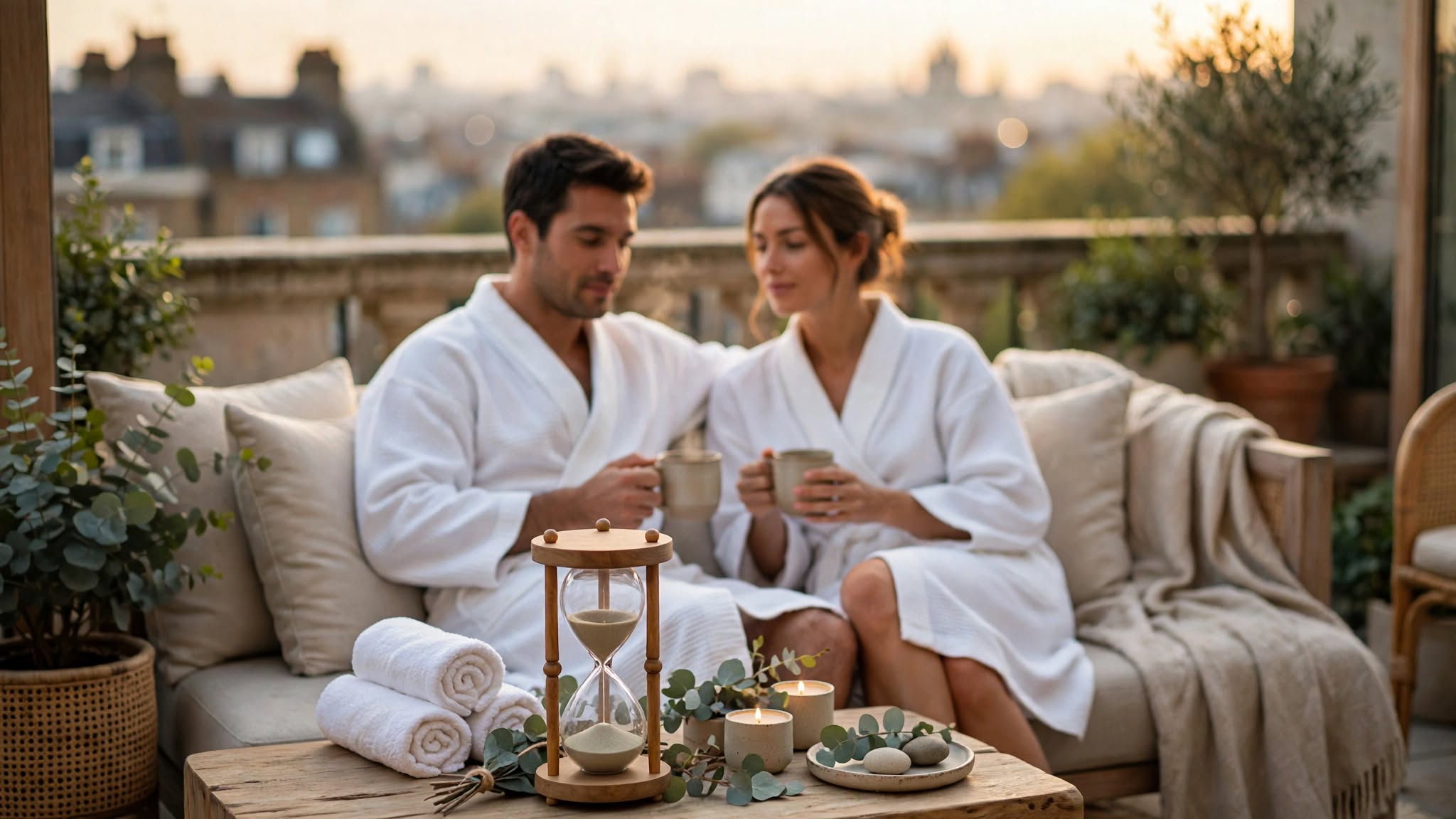
Couples often look for deeper connection when daily life has become efficient but emotionally thin. Conversations centre on schedules. Phones fill quiet moments. Familiar disagreements begin before either person has fully explained what they need. A change of setting can interrupt that pattern, but a retreat is not a guaranteed reset.
The value of a couples retreat lies in creating a deliberate container for attention, learning and shared experience. The value of an online tantric course lies elsewhere: it can help partners revisit ideas at home, practise communication between sessions and notice how learning holds up under ordinary pressures. Used thoughtfully, immersion and integration can complement each other.
A holistic wellness course can add a wider perspective by considering rest, values, boundaries, routines and individual wellbeing alongside the relationship. The goal is not permanent harmony. It is a more informed way of meeting one another.
Connection Is More Than Time in the Same Place
A weekend away can remove some distractions, yet physical proximity does not automatically create emotional connection. Partners may arrive with different expectations: one wants to repair a conflict, another wants rest, and both may feel pressure to make the retreat “work.” Naming those differences early prevents the experience from becoming a test of the relationship.
Deeper connection usually involves attention, honest expression, listening and room for two separate perspectives. It can include affection and intimacy, but it also includes the ability to say no, ask for time and remain curious when a partner’s experience differs from your own.
What Retreat Immersion Can Offer
Retreats change the conditions around a conversation. Travel, a quieter environment and a structured programme can reduce routine demands and give partners something new to discuss. Shared meals, walking, learning or playful activities may reveal sides of each other that are less visible at home.
A well-designed retreat also provides pacing. Time for guided activity should be balanced with rest, privacy and unstructured choice. More sessions do not necessarily produce more insight. Couples need space to decide what an exercise means for them rather than rushing from one experience to the next.
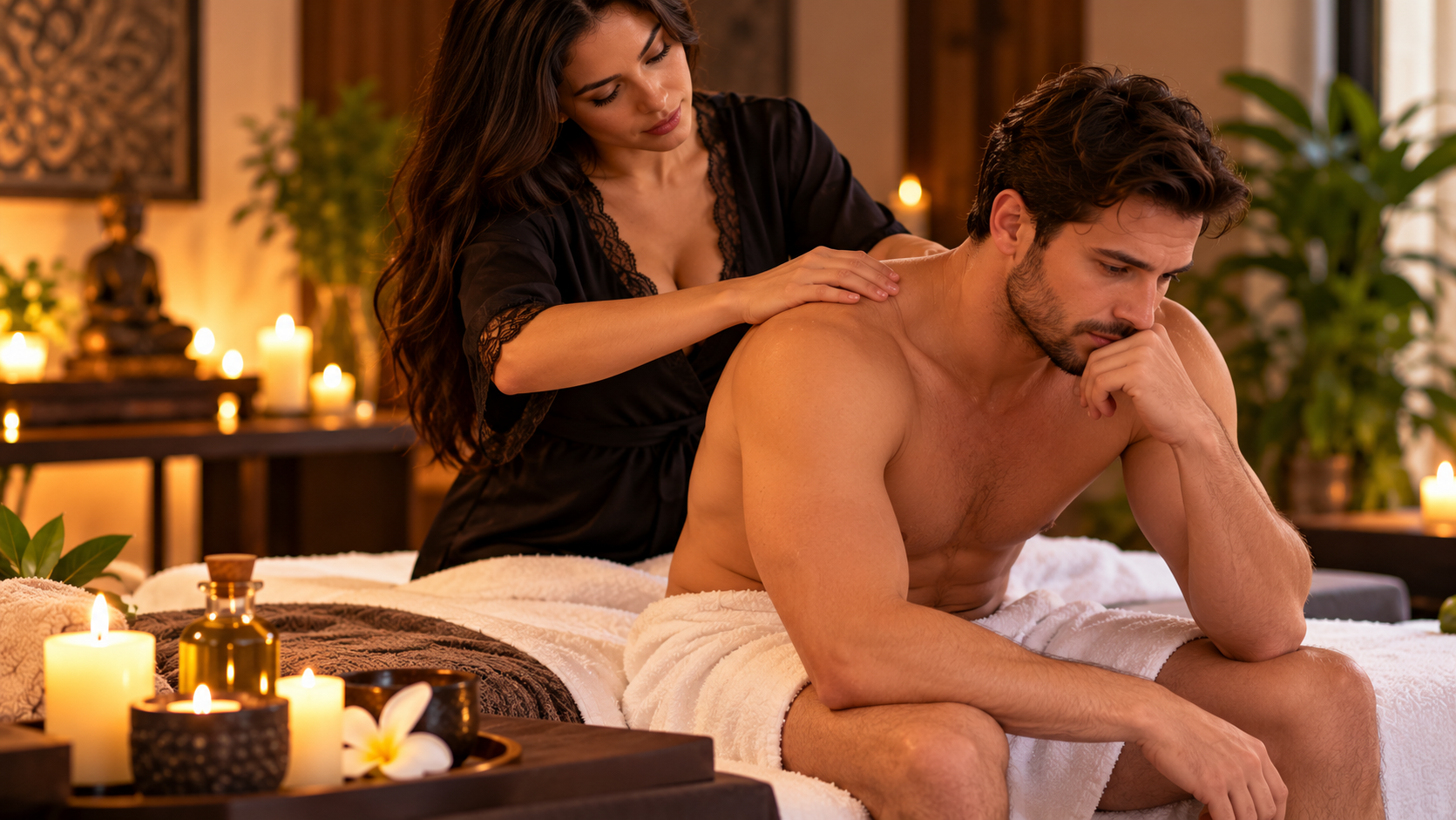
The retreat should disclose whether activities involve touch, intimacy, nudity, partner exercises, personal sharing or intensive breathwork. Both people must be able to modify or decline without pressure from the facilitator or each other.
What Online Learning Adds Afterwards
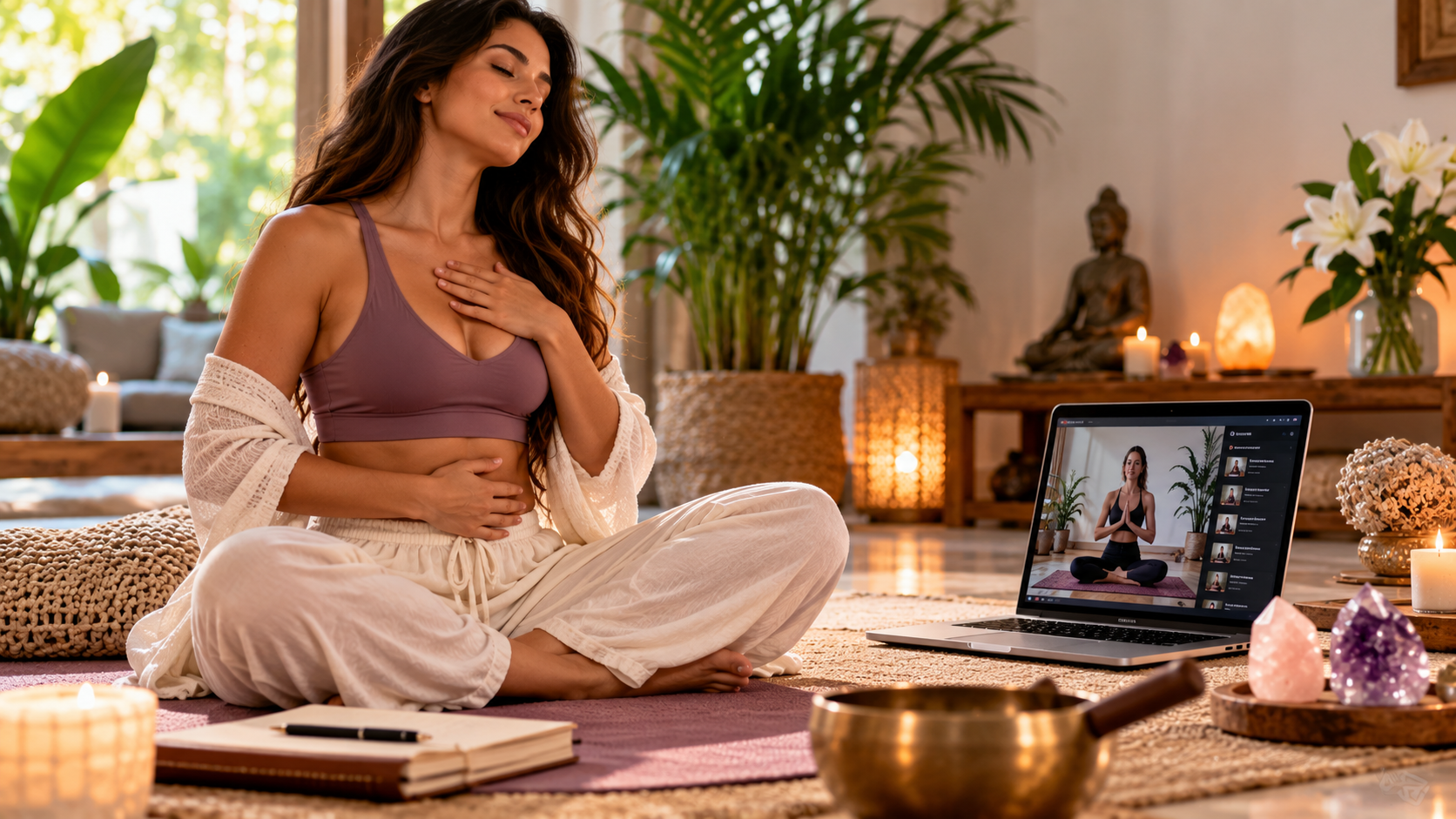
Returning home is where good intentions meet familiar triggers. An online tantric course can provide continuity through recorded material, live discussion, reflection prompts and repeatable exercises. Couples can pause a lesson, compare interpretations and return with questions instead of trying to remember an entire retreat from notes.
Online tantric training also makes individual pacing easier. Partners do not need to have identical reactions or move through every lesson together. One person may need more time to reflect; the other may prefer discussion. A clear course allows those differences without treating one partner as the resistant one.
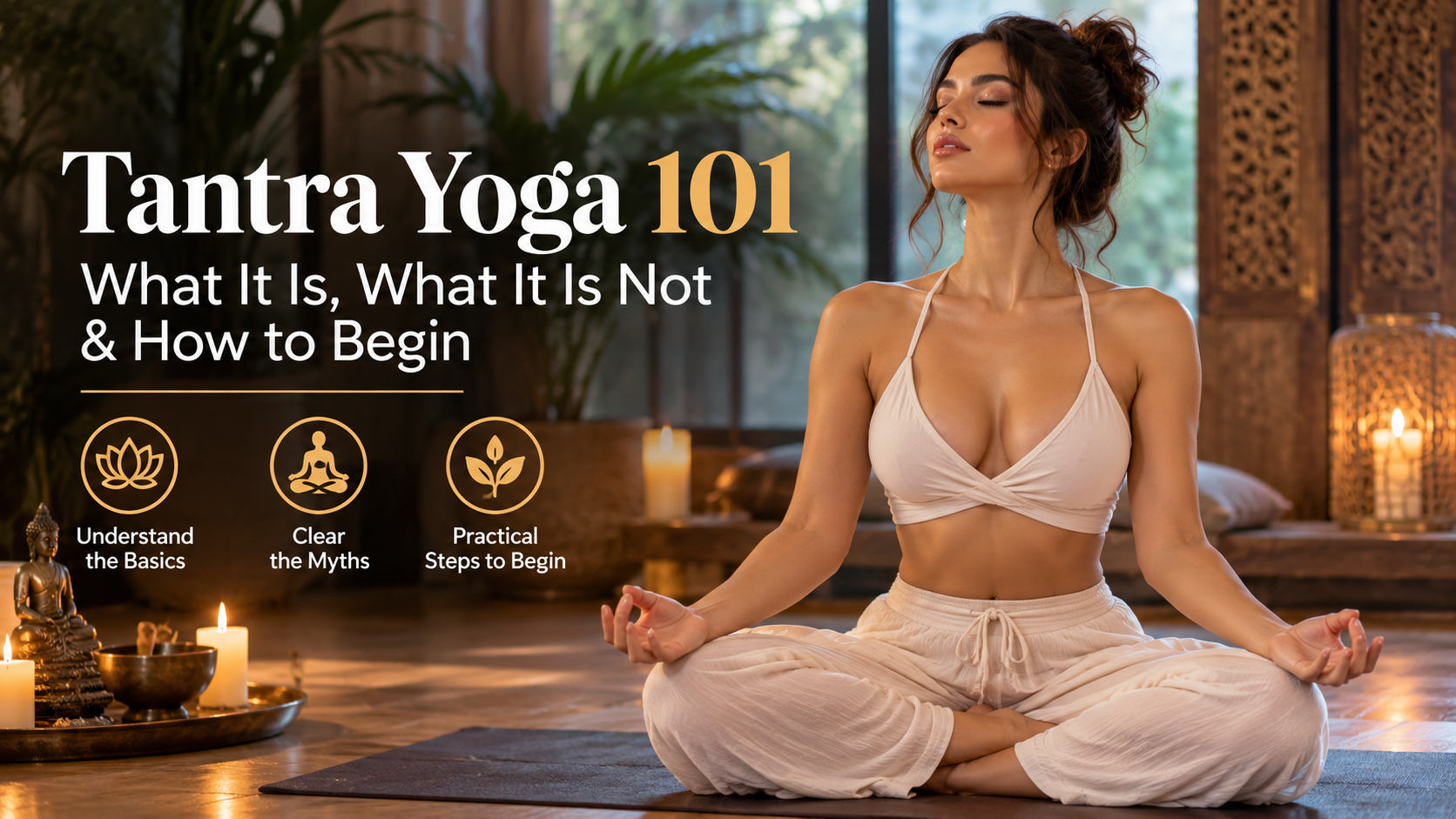
Traditional Tantra and modern Tantra may inform relationship education in different ways. A provider should explain whether it is teaching a named spiritual tradition, a contemporary adaptation or a blended wellness approach. Tantra philosophy should be given context rather than used as a vague promise of passion or transformation.
Five Conditions That Support Shared Learning
- A shared intention: Agree on what you are exploring, such as attention, communication, play or spiritual study, without requiring an identical personal goal.
- Voluntary participation: Either partner can pause, decline or choose an alternative. Consent applies throughout the programme, not only at registration.
- Curiosity before correction: Ask what a partner noticed before explaining what they should have felt or learned.
- Individual responsibility: Each person speaks for their own experience and avoids using course language to diagnose, pressure or win an argument.
- A plan for follow-through: Choose one realistic practice or conversation to revisit rather than promising a complete relationship overhaul.
These conditions support holistic personal growth because each partner remains a person, not simply half of a couple. Shared learning works best when individual boundaries and development are respected.
Before Booking a Couples Retreat
Ask the provider for practical detail. Review the schedule, accommodation, accessibility, privacy arrangements, group size, facilitator role and cancellation terms. Confirm what is optional and how the programme handles discomfort, conflict or a request for separate space.
Discuss the trip privately with your partner. What would make the experience worthwhile? What subjects are off limits in a group? How will you handle a disagreement during the retreat? Agree that neither person must disclose personal information or participate in intimacy-based work to prove commitment.
A retreat is not a substitute for qualified couples therapy or individual support. Joint programmes may be unsuitable where one partner feels afraid, controlled, coerced or unsafe. In those circumstances, seek confidential guidance from an appropriate specialist service rather than relying on a shared retreat to resolve the situation.
During the Retreat: Notice the Process
It is tempting to judge the retreat by its most emotional moment. A better measure is the quality of the process. Did the facilitator explain the exercise? Could both partners make an informed choice? Was there enough time to reflect? Did the activity produce a useful question, even if it did not produce agreement?
Make room for enjoyment as well as serious conversation. Play, novelty and shared discovery can matter because they broaden the relationship beyond problem-solving. The point is not to manufacture romance on schedule, but to create opportunities to experience one another outside habitual roles.
Afterwards: Turn Insight Into a Small Routine
Within a few days of returning, each partner can choose one idea worth continuing. Keep the commitment small enough to survive a busy week. A 20-minute conversation may be more sustainable than an elaborate daily ritual.
- Arrive: Put devices aside and decide whether the conversation is for listening, planning or solving a specific problem.
- Share: Each person names one recent moment of connection and one moment of distance without assigning motive.
- Choose: Agree on one action for the coming week, including who will initiate it and when.
- Revisit: At the next conversation, discuss what happened without treating an imperfect week as failure.
This routine is not therapy and it cannot resolve every disagreement. It is a way to carry mindful self-development into the relationship. A tantric lifestyle, if a couple chooses that language, becomes meaningful through repeatable choices rather than a retreat identity.
Check How the Two Formats Connect
Some providers offer a retreat and online study as separate products; others design them as one learning pathway. Before booking both, ask how the pieces relate. A clear answer can prevent couples from paying for repeated material or expecting follow-up that is not included.
- Sequence: Is the online course preparation for the retreat, a follow-up programme, or a complete option in its own right?
- Access: How long are recordings and materials available, and can partners review them separately?
- Facilitation: Will the same educator lead both formats, and who answers questions after the retreat?
- Participation: Must both partners attend every session, and what alternatives exist if one person wants to pause?
- Privacy: Are online sessions recorded, what can other participants see, and how are personal disclosures handled?
- Continuity: Does the provider suggest realistic ways to apply the learning at home without creating pressure between partners?
The strongest blended programme is not necessarily the one with the most content. It is the one that gives each format a clear purpose and supports couples as the setting changes from a guided event to daily life.
Exploring Couples Learning With AOMT
AOMT offers an overview of couples retreats that discusses time away from routine, shared experiences, attention, play and spiritual reflection. Couples can use it as one perspective, then review the broader learning pathways on the Academy of Modern Tantra website. Confirm current destinations, formats, activities, support, fees and requirements directly before booking.
Compare the published programme with both partners’ intentions and boundaries. The most useful retreat or online course is one that describes what will happen, respects separate choices and helps learning continue beyond the event.
Deeper Connection Is Built in the Return
A couples retreat can provide distance from routine and a concentrated opportunity to pay attention. Online Tantra learning can support the slower work of applying ideas at home. One creates immersion; the other can create continuity.
Neither format can guarantee a particular relationship outcome. Their value depends on clear teaching, mutual consent and what the couple chooses to practise afterwards. Deeper connection is not measured by having no differences. It is reflected in how partners meet those differences with greater honesty, care and room for choice.
Suggested author bio: AOMT provides adult education in Tantra, somatic bioenergetic practice and holistic wellness for personal development and professional interests. Explore its learning pathways at academyofmoderntantra.co.uk.





Leave a Reply