

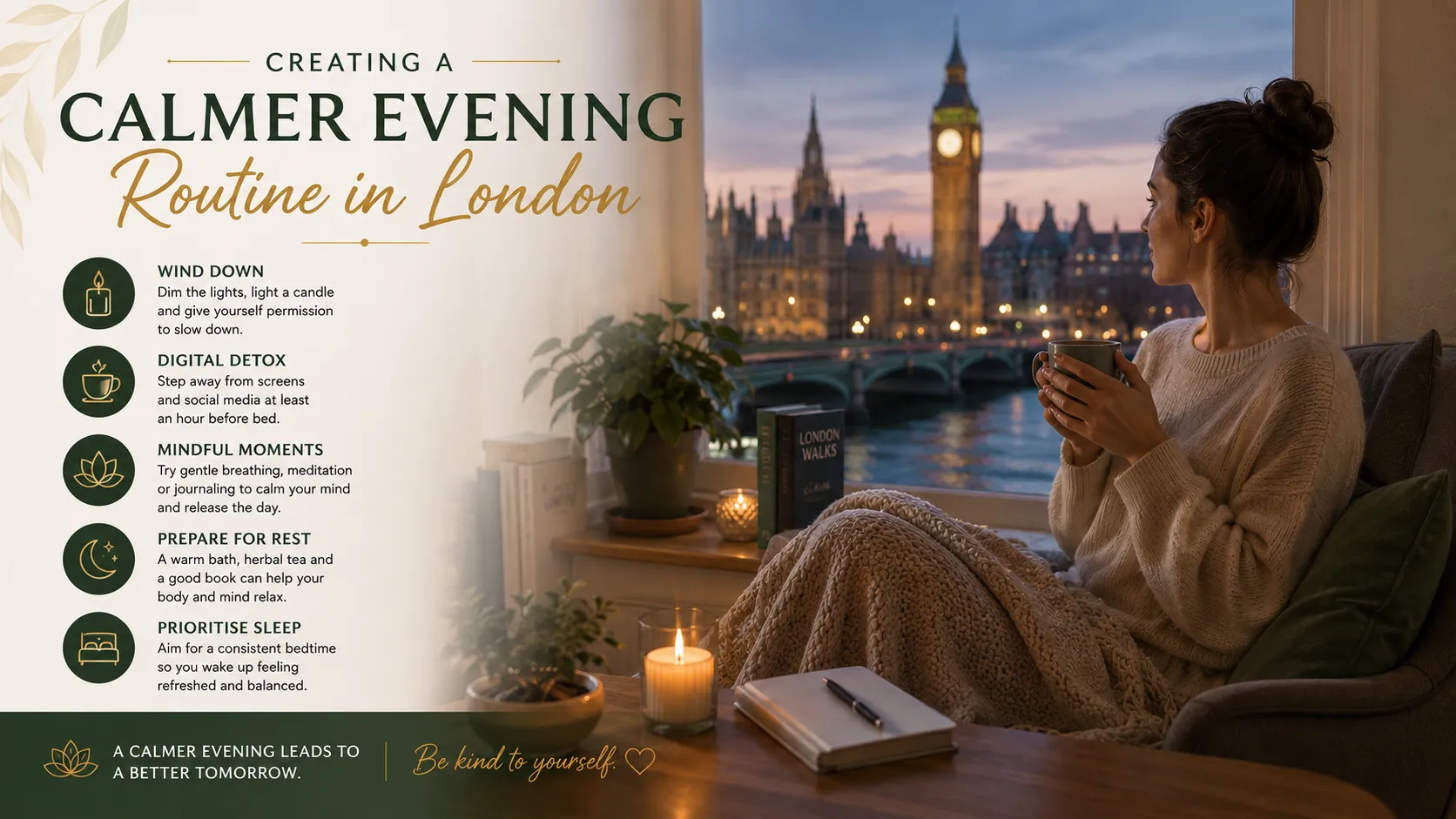
London does not always make switching off easy. A late train, a crowded commute or an overflowing inbox can keep the mind in work mode long after the working day ends. A practical evening relaxation routine can be a short, repeatable sequence that marks the end of work, lowers stimulation and prepares you for rest.
The most useful routine is one you can follow on an ordinary Tuesday—not only when your diary is empty and everything goes to plan. This guide offers a flexible three-stage framework for London professionals, along with 30-minute and 90-minute examples. It is designed to support relaxation, not to diagnose or treat insomnia, anxiety or any other health condition.
Why It Can Be Difficult to Unwind in London
For many professionals, the working day has lost its clean finish. Hybrid working can bring meetings into the living room, while office days may be followed by a long journey home. Messages continue to arrive as household responsibilities begin.
That creates a transition problem. The body may be at home while the mind is still revisiting conversations, planning tomorrow or checking for updates. Trying to move directly from that state into sleep can feel abrupt.
Effective after-work relaxation begins by acknowledging the need for a boundary. This does not have to be a strict digital curfew or a perfect nightly ritual. It can be a small action that consistently says, “work is finished for today.” Closing the laptop, changing clothes, taking a short walk or writing tomorrow’s first task can all serve this purpose.
Think in Three Zones, Not One Perfect Routine
A calmer evening becomes easier to design when it is divided into three zones:
- Transition: finish the working day and move into personal time.
- Decompression: reduce mental and physical intensity without demanding another achievement.
- Sleep preparation: create familiar conditions that make rest feel like the natural next step.
These zones are more adaptable than a rigid timetable. On some evenings, each may last half an hour. On busier nights, the whole sequence might take 20 to 30 minutes. What matters is the order and the repetition, not the performance.
Zone One: Close the Working Day
An open loop keeps asking for attention. Before leaving the office or ending work at home, spend five minutes recording unfinished tasks. Choose the first important action for the following morning and note anything that must not be forgotten. This reduces the need to rehearse the list mentally all evening.
Then create a visible ending. Shut down work applications, clear papers from sight and silence non-essential notifications. If you work in a small flat, place your laptop and work materials in a drawer, bag or covered basket. The room may remain the same, but the visual signal changes.
Your commute can also become part of the boundary. Rather than using the entire journey to answer messages, reserve the final ten minutes for neutral music, an audiobook or quiet observation. If you work from home, a short walk around the block can act as a “pretend commute” between professional and personal time.
Avoid turning this first zone into another productivity system. Its purpose is closure, not extracting one final burst of work.
Zone Two: Decompress Without Chasing Results
The second zone should lower the evening’s level of demand. Choose activities that are absorbing enough to interrupt work thoughts but simple enough not to feel like another target.
Possible options include:
- preparing an uncomplicated meal;
- taking a warm shower;
- listening to music without scrolling;
- reading a few pages of fiction;
- stretching gently;
- completing a quiet household task;
- sitting with a caffeine-free drink; or
- talking with someone whose company feels settling.
Good calming evening habits tend to be specific. “Relax more” is vague; “make tea and read for ten minutes after dinner” is actionable. It also helps to connect a new habit to something already established. For example, you might dim the main lights after washing up or put your phone on charge when you brush your teeth.
Relaxation is personal. A lively gym class may clear one person’s head while leaving another energised close to bedtime. Notice your response and adjust the timing to what reliably changes your pace.
Zone Three: Prepare for Sleep
Sleep preparation is less about forcing sleep and more about making the final part of the evening predictable. The NHS Every Mind Matters sleep guidance recommends a regular sleep routine and a calm period before bed. It also suggests avoiding phones, tablets and computers for an hour before bedtime where possible, as well as trying relaxing activities such as reading, meditation, breathing exercises or quiet audio.
Start with the environment. Reduce bright overhead light, close curtains and make the room as quiet, dark and comfortably cool as circumstances allow. In a shared home, headphones, an eye mask or an agreed quiet period may be more realistic than complete silence.
Next, select two or three actions you can repeat in the same order. A peaceful bedtime routine might be as simple as washing, preparing clothes for morning, reading and switching off the light. Consistency can be more valuable than adding numerous wellness products or complicated steps.
If worries become louder when the room becomes quiet, write them down with any practical next action. The NHS guidance notes that making a to-do list for the following day may help put the mind at rest. The aim is not to solve every concern at bedtime; it is to give each one a place outside your head.
A 30-Minute Minimum Routine
When you arrive home late or have limited energy, use a compact version:
- Minutes 0–5: close the day. Write down unfinished work and tomorrow’s first task. Put work devices out of sight and silence alerts.
- Minutes 5–15: change state. Wash, change into comfortable clothes, stretch gently or make a warm caffeine-free drink.
- Minutes 15–25: lower stimulation. Dim the lights and read, listen to calm audio or practise slow, comfortable breathing.
- Minutes 25–30: prepare the room. Complete essential bedtime tasks, check that the alarm is set and place the phone beyond easy reach.
This short version can preserve the structure of your routine even when the timing changes. If 30 minutes feels unrealistic, begin with ten. A reliable small practice is more useful than an ambitious plan repeatedly abandoned.
A 90-Minute Evening Reset
When more time is available, a fuller sequence might look like this:
- First 15 minutes: transition. Finish your work list, put away equipment and change clothes. On a home-working day, step outside briefly.
- Next 30 minutes: food and practical care. Eat without working at the same time, prepare anything essential for morning and complete one light household task.
- Next 20 minutes: deliberate decompression. Choose a bath or shower, gentle movement, reading, journalling, music or relaxed conversation.
- Final 25 minutes: sleep preparation. Reduce screen use, lower the lights, attend to personal care and follow the same short sequence before getting into bed.
Treat these timings as a template. A parent, shift worker or person sharing a small home may need a different schedule. Ask what the smallest sequence is that helps your evening change direction.
Practising Mindfulness Without Making It Another Task
Mindfulness means bringing attention to present experience without immediately judging or trying to change it. A short practice can be useful when thoughts are moving quickly, but it does not require an empty mind.
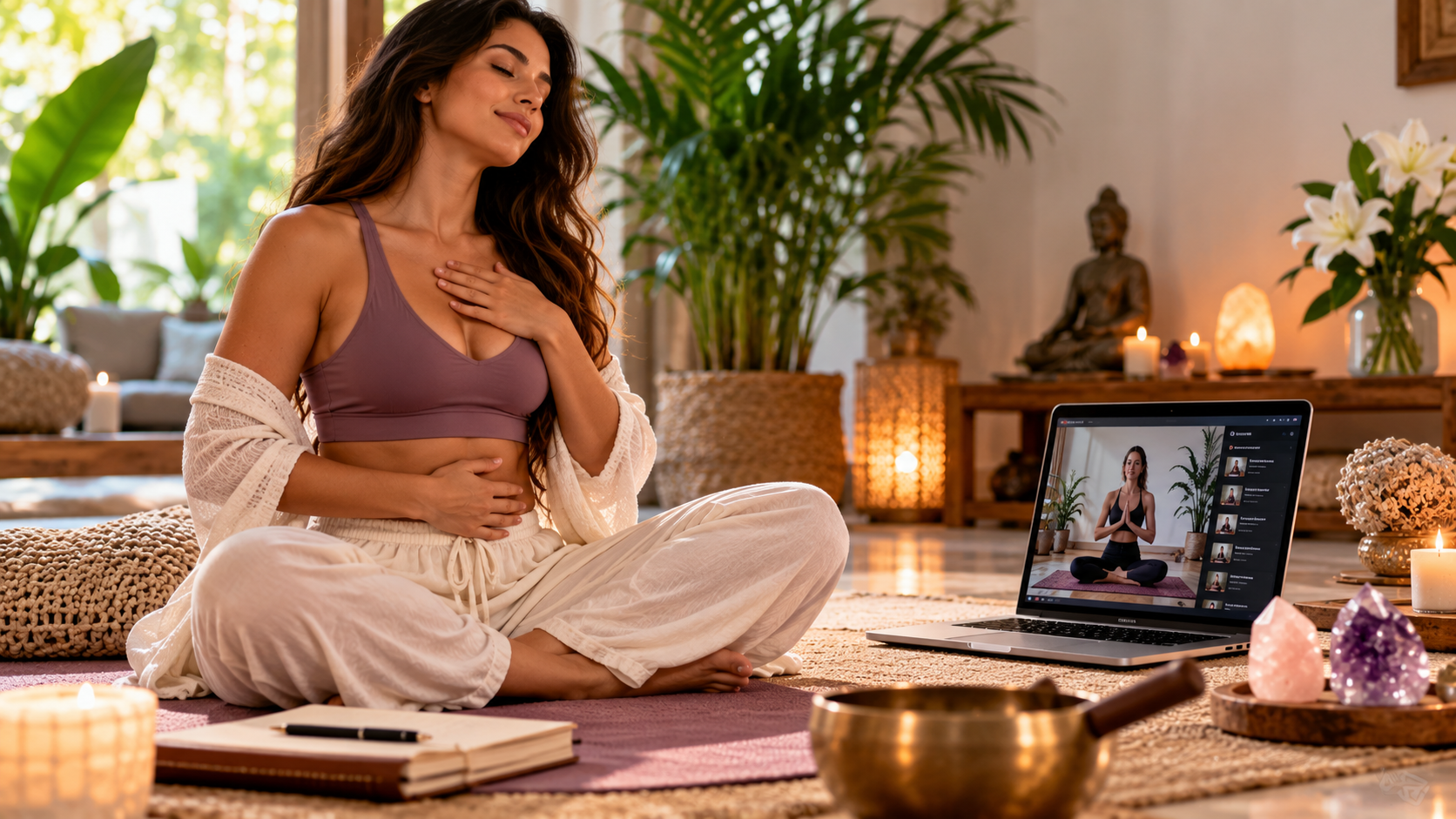
Try sitting comfortably for three minutes. Notice where your body is supported, then observe the natural breath. When your attention moves to work, plans or noise, recognise that it has wandered and gently return to physical sensation. There is no need to breathe unusually deeply or hold your breath.
For some people, mindfulness before sleep feels easier when linked to an ordinary activity. Pay attention to the warmth of a shower, the movement of brushing your teeth or the feel of your feet on the floor. This approach is discreet and can work in a busy household because it requires no special setting.
Stop if a practice makes you feel uncomfortable, dizzy or more distressed. Choose a neutral activity instead, and seek appropriate professional support if difficult feelings persist.
Where Tantra Yoga May Fit
Tantra Yoga is a broad term used by different teachers and traditions, so class content can vary considerably. In a modern wellness context, some sessions may combine gentle movement, breath awareness, meditation and attention to embodied experience. Beginners should read the class description, ask what the session involves and choose a qualified teacher whose boundaries and approach feel clear.
If gentle practice helps you settle, it may fit in the decompression zone. Keep movement comfortable, avoid forcing postures or breath retention, and follow relevant medical or physiotherapy advice. A class should not promise to cure sleep problems or replace healthcare.
Making the Routine Work in a Real London Home
A routine has to survive the conditions in which you live. In a compact or shared property, try changing the atmosphere rather than redesigning the room. One lamp, a cleared bedside surface and headphones can create a temporary rest zone. A small box can hold work items after hours.
If street noise is part of the environment, experiment with steady background sound at a safe volume. If your schedule depends on the Underground or rail network, keep the sequence flexible: use the journey for transition, then begin decompression when you reach home.
Business travellers can use a simplified hotel version: record tomorrow’s tasks, put the phone away from the bed, wash, read and use the same short audio track.
People looking for London stress relief may be tempted to build an expensive schedule of appointments and products. Paid support can be enjoyable, but the foundation should still be repeatable behaviours available on most evenings.
Considering a Professional Relaxation Service
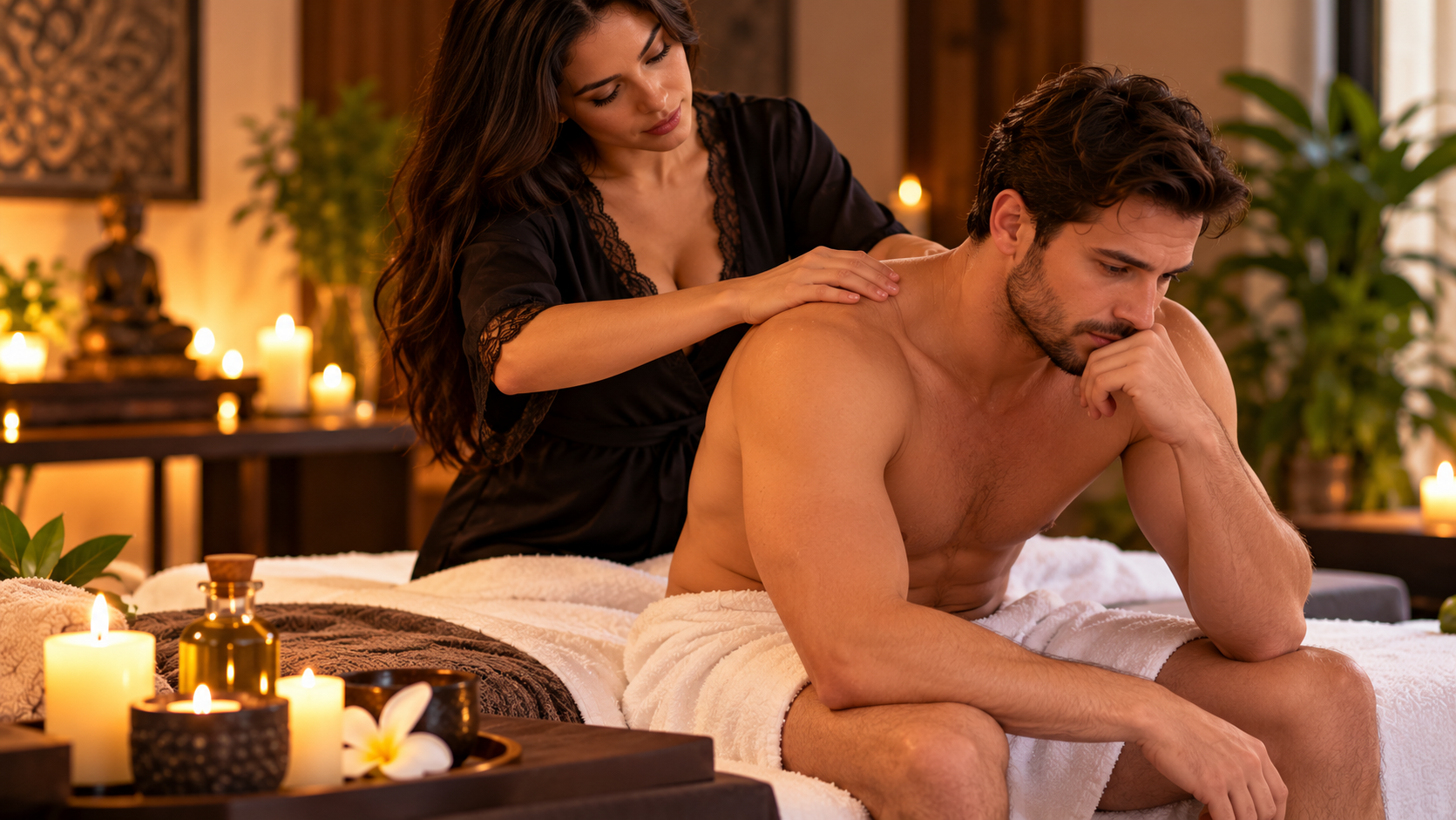
Some adults choose professional massage or body-based relaxation as an occasional addition to their wider self-care. It should complement everyday habits, not become a guaranteed solution for sleep, stress or emotional concerns.
Before booking, look for clear service descriptions, transparent prices, practitioner information, hygiene standards, consent-led boundaries, privacy information and a cancellation policy. Ask questions if anything is unclear. A reputable provider should not pressure you or make medical promises.
People searching for the “most popular Tantric Massage parlour in London” should treat that wording as a search phrase, not an independently verified award. Popularity can be difficult to establish, and it is less informative than current, verifiable details about professionalism, suitability and boundaries.
Tantric Massage London provides adults with information about its current services, therapists, locations, prices, frequently asked questions and booking routes. Review the latest details directly and decide whether the service is appropriate for your preferences and circumstances.
Common Questions About Evening Routines
Do I need to follow the same routine every night?
No. Keep the sequence familiar while allowing the timing to change. You might have a minimum version for busy evenings and a longer version when time permits. This makes consistency possible without demanding perfection.
What if I cannot avoid screens for a full hour?
Reduce what you can. Finish stimulating work, lower brightness, silence avoidable alerts and replace the final few minutes of scrolling with a quieter activity. An imperfect boundary can still be useful.
What should I do if I am awake in bed?
The NHS advises not forcing sleep. Its guidance suggests getting up and doing something relaxing if you cannot sleep, then returning to bed when you feel sleepier. Keep the activity calm and the light low.
How quickly should a routine work?
Think in terms of adjustment, not an instant result. Notice which actions reduce stimulation and revise the routine after a week or two rather than judging it after one difficult night.
Start With One Clear Boundary
A calmer evening does not require withdrawing from London life. It requires a deliberate bridge between the city’s demands and your own rest. Begin by choosing one closing signal for work, one low-demand activity and one consistent bedtime cue. Keep the plan short enough to repeat.
Over time, your evening relaxation routine can become less of a project and more of a familiar change in pace. If sleep difficulties, persistent anxiety, low mood, breathlessness or other symptoms are affecting daily life, speak with a GP or another appropriately qualified health professional. Self-care can support wellbeing, but it is not a substitute for individual medical advice or treatment.









Leave a Reply