
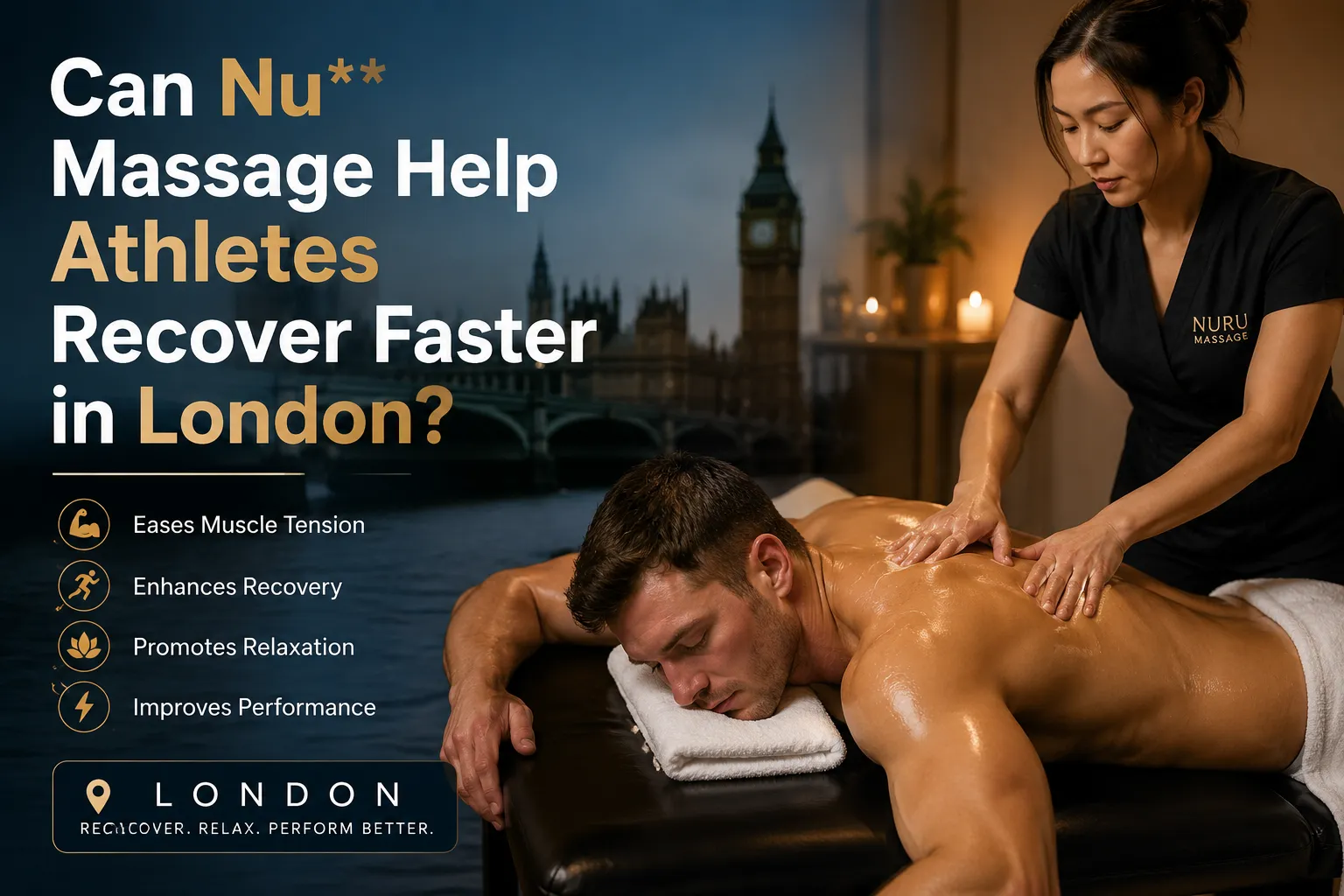
In the evolving world of fitness and recovery, athletes and wellness enthusiasts are constantly looking for new ways to optimize their bodies. From cryotherapy and compression boots to specialized stretching routines, the industry is saturated with methods that promise to decrease soreness and accelerate muscle repair. Among these, the term “Nuru massage” occasionally appears in wellness discussions. However, it is essential to distinguish between the clinical reality of sports recovery and the sensory nature of Nuru massage.
This article examines what Nuru massage is, why it is generally not a solution for exercise-induced muscle damage, and how to effectively manage your recovery through proven professional standards.
Defining Nuru Massage: A Sensory Experience
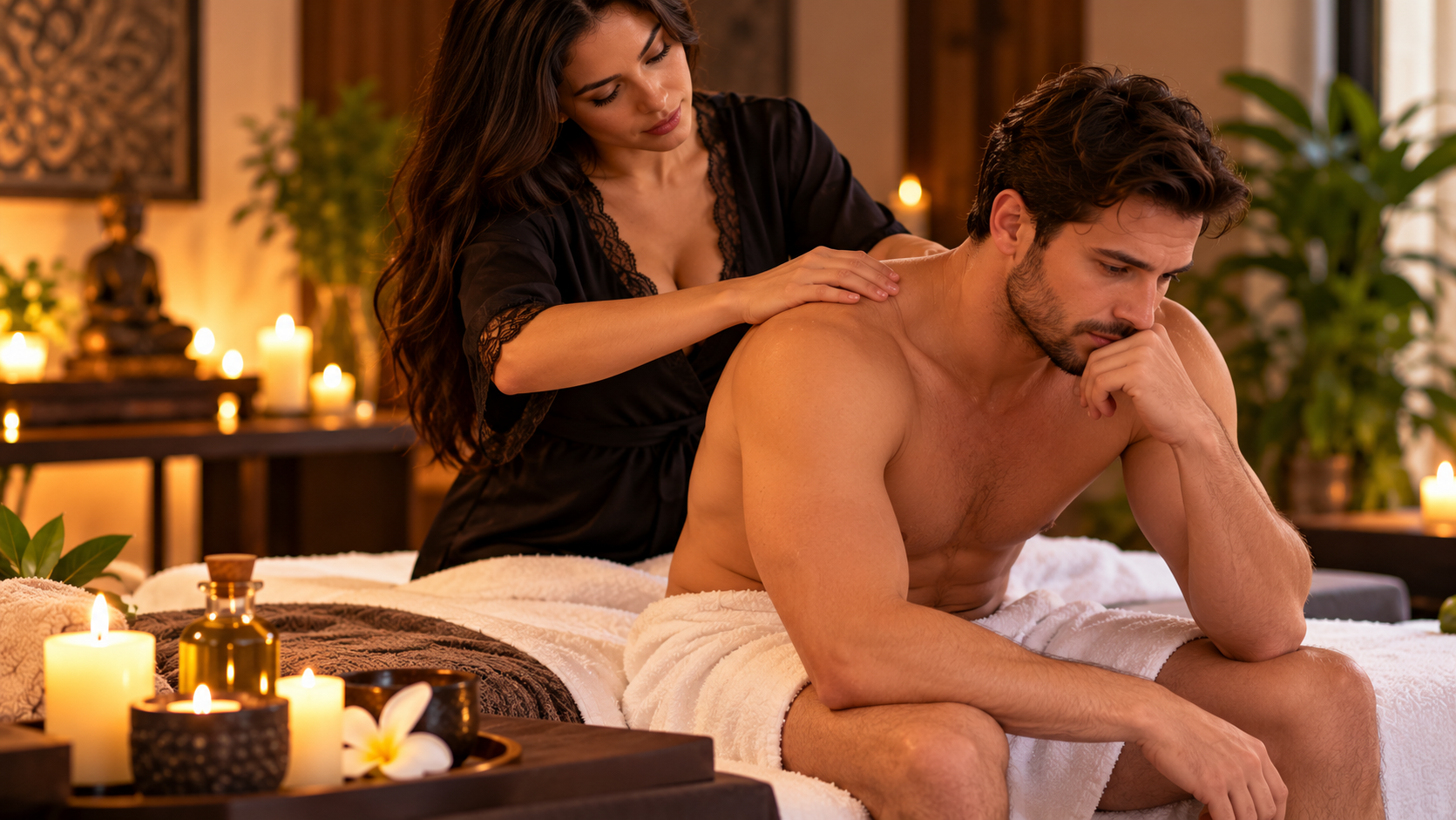
The term “Nuru” is derived from the Japanese word for “slippery.” The practice originated in Japan and is defined by the use of a specialized, water-based, seaweed-infused gel. The core technique involves extensive, full-body skin-to-skin contact between the practitioner and the recipient.
Because the gel creates an incredibly low-friction environment, the physical sensation is one of extreme fluidity. It is meant to be an immersive, sensory-focused experience. Historically and culturally, Nuru massage is classified as a practice designed for intimacy, relaxation, and sensory stimulation rather than for clinical health intervention or physical therapy.
Why Nuru Is Not a Recovery Tool
When we talk about “muscle recovery” in an athletic or fitness context, we are referring to a complex biological process. After exercise, muscles experience micro-tears, inflammation, and metabolic stress. To address this, recovery modalities must influence physiology in very specific ways.
Lack of Targeted Pressure
Sports recovery massage—such as deep tissue, myofascial release, or neuromuscular therapy—is designed to apply specific, controlled pressure to trigger points and tight muscle fibers. This manual manipulation helps to improve blood flow, decrease muscle stiffness, and potentially improve the range of motion. Nuru massage, by definition, is designed to reduce friction and eliminate the “gripping” action required to manipulate muscle tissue. Because the primary goal is to provide a smooth, gliding sensation, it is physically impossible to perform the targeted work necessary to address muscle knots or myofascial restrictions.
The Role of Metabolic Waste
Effective recovery techniques, such as lymphatic drainage or active recovery, aim to assist the body in clearing metabolic byproducts, such as lactate and inflammatory markers, that accumulate during intense training. These techniques often utilize directional, rhythmic pressure. Nuru massage focuses on total-body surface coverage, which does not provide the systematic, deep-tissue stimulation required to encourage the lymphatic system or expedite the flushing of metabolites.
Therapeutic Intent vs. Sensory Intent
There is a clear distinction between therapeutic bodywork and sensory bodywork. Therapeutic work is patient-centric and outcome-based, focusing on rehabilitating tissues. Sensory work, like Nuru, is experience-centric. It aims to alter the client’s emotional or sensory state rather than their physiological structure. While reducing stress through relaxation can indirectly support recovery by lowering cortisol levels, there is no clinical evidence to suggest that the Nuru technique itself impacts muscle tissue repair.
Navigating the Wellness Scene in London
If you are currently looking for wellness services in London, you will likely encounter a wide spectrum of options. Understanding how to differentiate between a professional sports recovery clinic and a sensory-focused parlor is critical for your own safety and your fitness goals.
Professional Standards in Recovery
If your goal is to manage delayed onset muscle soreness (DOMS) or speed up your return to the gym, your search should focus on:
- Sports Massage Clinics: Look for centers that explicitly mention sports therapy, physiotherapy, or chiropractic integration. These venues employ clinicians who understand anatomy and the specific requirements of active bodies.
- Qualified Practitioners: Legitimate therapists in London hold certifications that are recognized by major professional associations. They will perform a consultation to understand your training routine, your injury history, and your specific recovery goals.
- Cleanliness and Licensing: A professional recovery facility will adhere to high hygiene standards, which is particularly important in clinical settings where you are recovering from physical exertion.
The Role of Holistic Modalities
While Nuru massage is not a recovery tool, many people successfully combine clinical recovery with holistic practices to maintain long-term physical health. For example, many athletes find that integrating Tantra yoga for better health is a great way to manage body awareness and flexibility. Tantra yoga provides the meditative focus and the controlled movement necessary to stay flexible and pain-free, serving as a functional, internal complement to the external, structural work provided by a sports therapist.
If you are curious about the broader spectrum of bodywork, you might look for the best tantric studio in London or the most popular tantric massage parlor in London. However, do so with the understanding that these venues are for meditative or energetic work, not for treating athletic injuries. Approaching your bodywork with the right expectations ensures that you get the care that you actually need.
What Actually Works for Muscle Recovery?
If you are suffering from muscle soreness and want to get back to your peak performance, focus on these science-backed strategies:
Active Recovery
Low-intensity movement, such as light cycling, swimming, or walking, is one of the most effective ways to increase blood flow to sore muscles without adding extra strain.
Foam Rolling and Self-Myofascial Release
Using a foam roller allows you to apply the self-directed pressure necessary to break up adhesions and improve blood flow. It is a functional, cost-effective, and evidence-based method for recovery.
Compression
Compression garments help to minimize swelling and may reduce the sensation of soreness by providing support to the muscles following intense activity.
Sleep and Nutrition
The most overlooked recovery tools are often the most effective. Muscle protein synthesis, which is the process of repairing muscle damage, happens primarily during sleep. Pairing this with adequate protein intake and hydration provides the biological building blocks required for repair.
Conclusion
Nuru massage is a unique sensory practice that offers a specific experience for those seeking relaxation or connection. However, it is fundamentally distinct from the clinical world of sports medicine and muscle recovery. If you are training hard, your muscles require targeted, evidence-based care to function at their best.
When you invest in your fitness, you should also invest in the right recovery. Do not rely on myths or sensory-focused techniques to solve structural physical issues. Whether you seek out a sports physical therapist in London, commit to a consistent routine of stretching, or find a high-quality studio for your Tantra yoga for better health practice, ensure that your choices are aligned with your actual health goals.
By being a discerning consumer, you protect your body from unnecessary risks and ensure that your recovery is as efficient and effective as your training. Always prioritize professional, licensed experts who can guide you through the physiological reality of your body’s needs. Your physical performance is a result of the work you put in; safeguard that performance by choosing the right tools for the job.
Disclaimer: This content is for informational purposes only and does not constitute medical advice. Please consult with a healthcare professional before beginning any new treatment or therapy. Always ensure that the establishment you choose is a professional, and reputable business with clearly stated safety and ethical policies.






Leave a Reply