
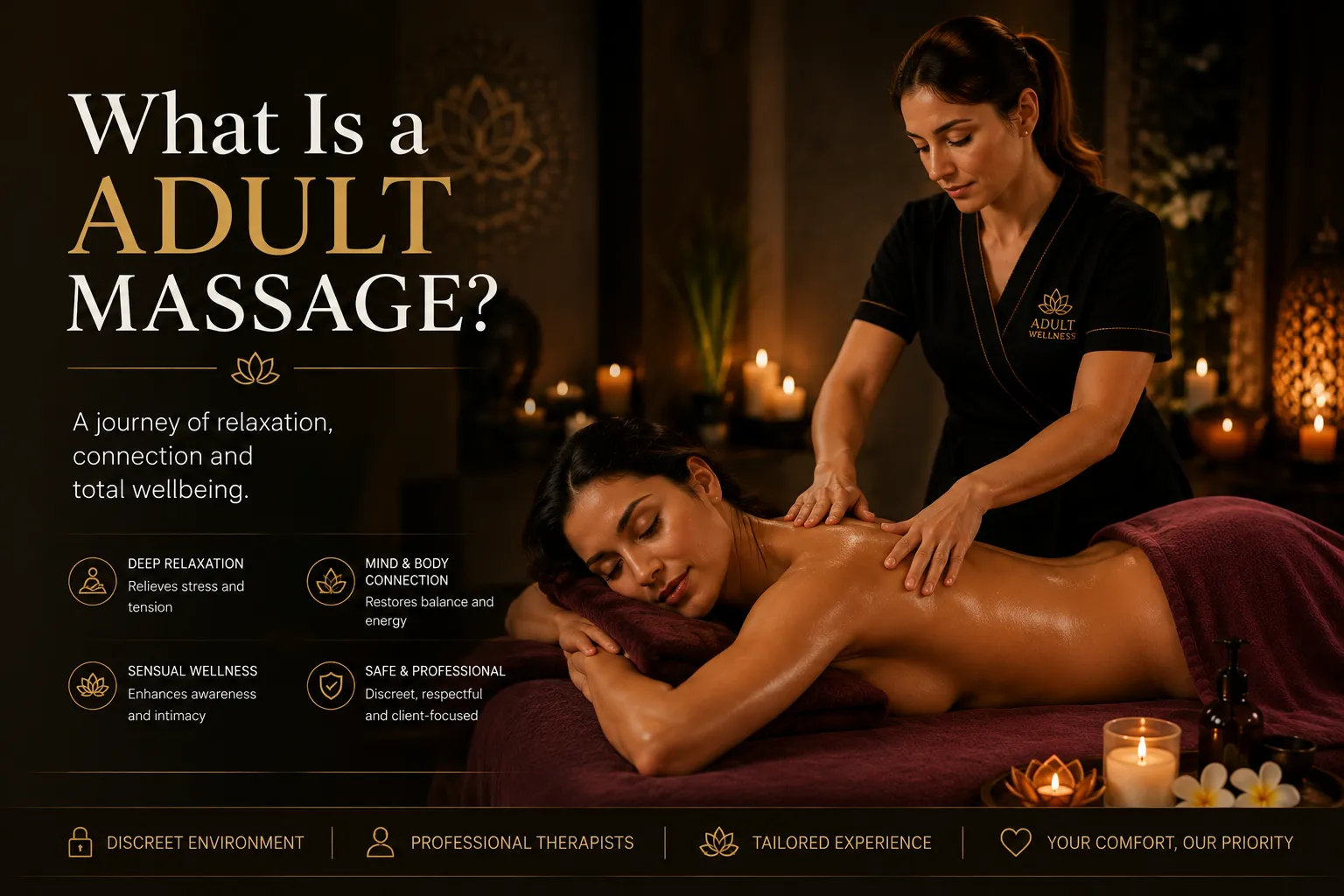
A naturist massage is an adult massage format in which nudity may be part of the agreed environment. The term does not have one universal definition across every London provider. It may describe the client’s choice to be undressed, the practitioner’s attire, or a mutually agreed naturist setting. The exact arrangement should always be explained before booking.
That variation matters. A service label cannot tell you whether towels are available, which person may be nude, what the massage includes, or how the practitioner handles privacy. Those details are not minor additions. Together, they define the appointment.
The clearest way to understand naturist massage is through six separate questions: who wears what, what covering is available, what contact is included, where the appointment takes place, how consent is communicated, and what either person can change. This “definition before decision” approach gives London clients something more reliable than assumptions or suggestive advertising.
A practical definition of naturist massage
In professional terms, naturist massage is best understood as a massage appointment where a chosen level of nudity forms part of the setting, while the service remains governed by consultation, consent, hygiene, privacy and agreed boundaries. Nudity may affect how the environment feels, but it does not automatically expand the scope of the massage.
Naturism commonly refers to social nudity in suitable settings and is not inherently sexual. Massage providers may use the term more narrowly. One business may mean client nudity, another may mean that both adults are nude, and a third may combine a naturist setting with a particular massage style.
This is why a responsible explanation contains concrete terms. It should answer questions about clothing, coverings, the practitioner’s role, permitted contact and stop signals without requiring the client to interpret coded wording. If a provider cannot explain the format in plain language, the client does not yet have enough information to consent.
The six parts of a complete service definition
A useful definition must describe the actual arrangement, not only the mood the business hopes to create. These six parts can be checked separately, which makes it easier to identify an omission before money is paid or travel begins.
1. Practitioner attire
The word “naturist” does not prove that the practitioner will be nude. Some providers use the term only in relation to the client, while others explicitly include practitioner nudity. The practitioner may also begin clothed, use underwear, or follow another agreed arrangement.
Ask directly what the practitioner will wear. The answer should be consistent across the service page, therapist profile and booking confirmation. If attire depends on the practitioner, obtain confirmation for the specific person you are booking.
2. Client attire
Complete nudity should not be treated as an unspoken entrance condition. A client may prefer to remain partly clothed, use underwear, or undress only to a personally comfortable level. Whether those options fit the advertised service should be established in advance.
Comfort can change after arrival. A professional response is to discuss alternatives, not pressure someone to continue because they selected a particular service. Payment does not cancel bodily autonomy.
3. Draping and coverings
Nudity and draping are separate variables. A client can choose to undress and still prefer a towel or sheet over areas not involved at a particular moment. Covering can support warmth, privacy and a sense of control. It does not make the experience less authentic.
Ask whether towels or sheets are provided and how position changes are managed. If an undraped format is a fixed condition, that should be stated before payment.
4. Massage scope
Attire does not define which areas may be massaged. Scope needs its own conversation. The provider should explain what is included, what is excluded, and whether a client can ask for an area to be avoided. The practitioner’s limits are equally important and must be respected.
Nudity is a condition of the environment, while massage scope is an agreed set of actions. Consent to one is not consent to the other. Any variation should be discussed rather than inferred from silence or payment.
5. Setting and privacy
The practical meaning of the service changes with its location. An incall appointment takes place at premises arranged by the provider. An outcall appointment takes place at the client’s home or hotel. Each setting creates different questions about changing space, interruptions, room access and personal belongings.
Privacy includes more than a closed door. Ask who else may be present, whether staff can enter and how booking information is handled. No photograph or recording should be made without informed, specific agreement.
6. Consent and stop signals
Consent begins before booking and continues throughout the appointment. It must be specific to the arrangement being proposed. Agree on plain words such as “pause”, “lighter”, “cover”, and “stop”. A stop request should take effect immediately and should not require a debate.
Either adult can withdraw consent. The client can narrow a preference or end the appointment. The practitioner can decline a request outside the service or stop if a boundary is crossed.
What naturist massage is not
Clear exclusions are as important as a positive definition. They prevent the atmosphere, nudity or marketing language from being mistaken for a promise that the provider never made.
A naturist massage is not a single standardised technique. The provider may use oil and flowing massage movements, but the pressure, sequence, position and products can vary. The term describes an aspect of the setting more reliably than it describes a technical method.
It is also not automatic permission for intimate activity. Naturism itself is not inherently sexual, and nudity never creates unrestricted access to another person. The agreed service boundaries remain in force from beginning to end.
Nor should the appointment be presented as medical care. It may offer private time away from a demanding routine, but it should not be claimed to diagnose illness, treat an injury, resolve anxiety or guarantee improved body confidence. Persistent symptoms, pain, skin problems or mental-health concerns require advice from an appropriately qualified professional.
Finally, it is not a test of confidence. A person does not have to prove that they are relaxed, body-positive or adventurous. Choosing more covering, asking a question or deciding not to proceed can all be signs of sound judgement.
How naturist massage differs from related formats
Several terms appear close together in London massage listings, yet they do not always describe the same intention. The comparison below shows why the label should be treated as a starting point for questions rather than a complete specification.
| Format | Main organising feature | What still requires confirmation |
|---|---|---|
| Conventional massage | A recognised massage style or practical objective | Clothing, draping, pressure, products and treatment areas |
| Naturist massage | Nudity may form part of the agreed environment | Practitioner attire, client attire, coverings, scope and boundaries |
| Tantric massage | Attention, pacing, breath or whole-body awareness may influence the format | Exact techniques, attire, scope, privacy and practitioner approach |
| Body-to-body massage | A particular method of contact may be advertised | Clothing, products, surface, included areas and boundaries |
| Outcall massage | The practitioner travels to a home or hotel | Space, access, equipment, visitor rules, travel charges and privacy |
People researching Tantric Massage in London should therefore avoid assuming that “tantric” and “naturist” are interchangeable. A provider may offer both as distinct services, combine certain features, or use different definitions. The current service description and the individual practitioner’s confirmation matter more than a general expectation.
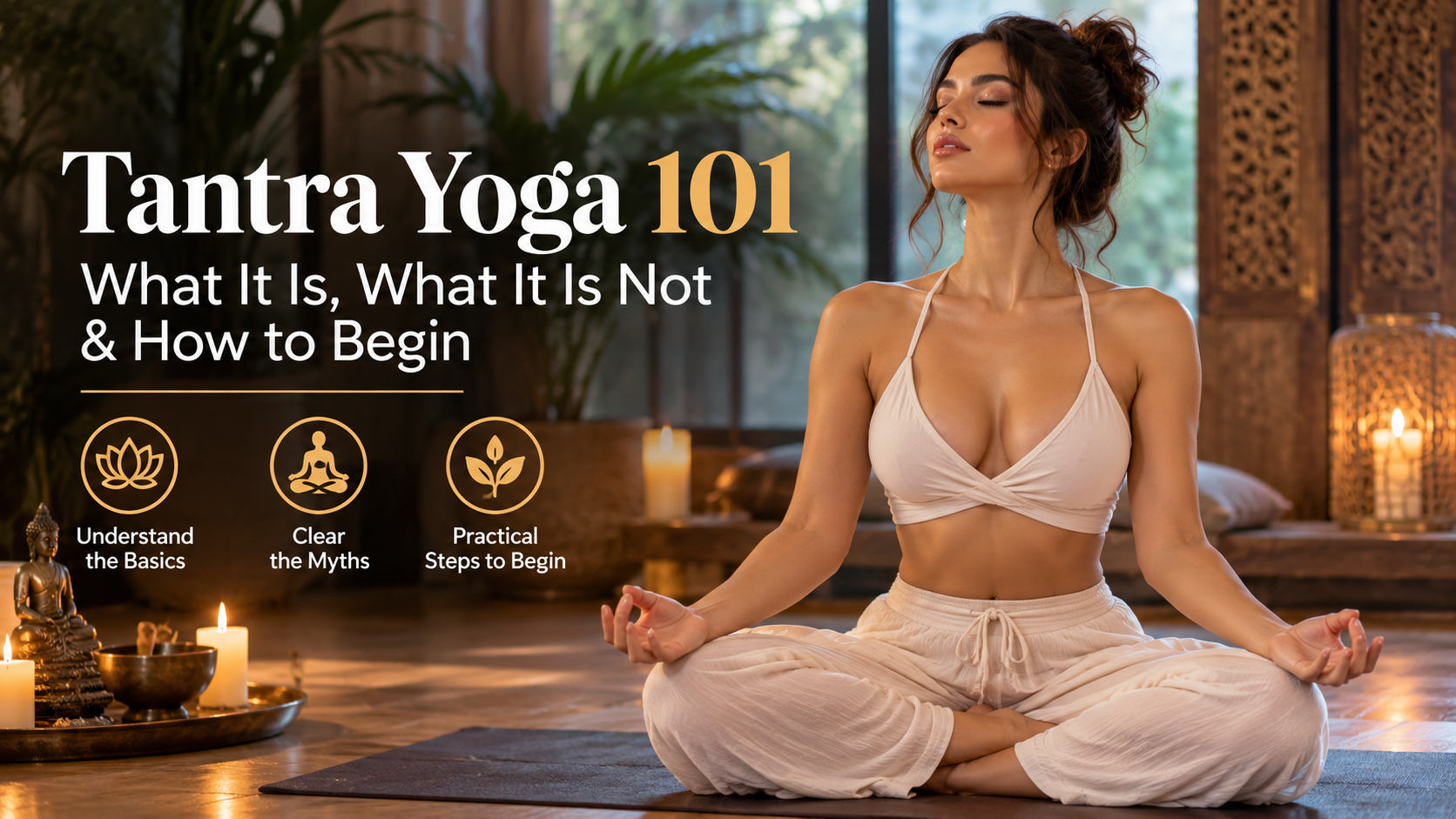
Tantra Yoga is different again. It is generally approached through guided or personal practices involving breath, movement, meditation or philosophy. It is not another name for a private massage appointment, and a massage booking should not be expected to include yogic instruction unless that has been specifically described.
The role of consultation in defining the appointment
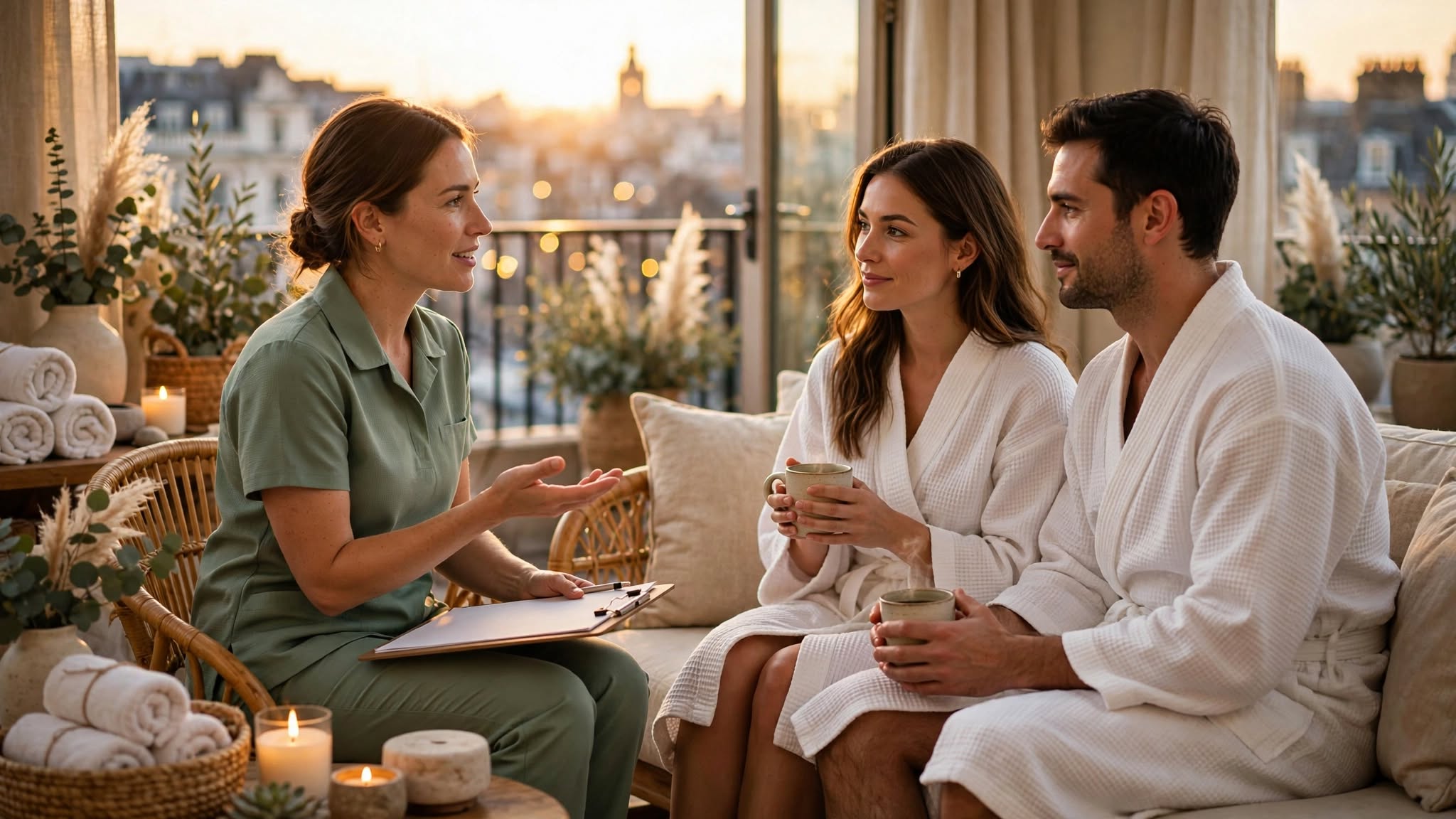
Consultation is where an advertised category becomes an individual agreement. It should occur before the massage begins and before the client feels committed by having undressed. The conversation does not need to be long, but it must cover the decisions that affect safety and comfort.
A useful consultation may include:
- the service format and the practitioner’s attire;
- the client’s chosen level of undress;
- towel, sheet and changing preferences;
- massage areas and exclusions;
- pressure, positioning and communication preferences;
- allergies, skin sensitivity, recent injury or other relevant cautions;
- the oil, lotion or other product to be used;
- the duration and when paid time begins;
- the words or signals that mean adjust, pause or stop.
UK National Occupational Standards for body massage emphasise consultation, informed consent, privacy, clean materials, suitable environmental conditions and wellbeing checks. A naturist service in the adult wellness market is not identical to a conventional spa treatment, but these principles remain a useful benchmark for observing professional conduct.
The consultation must allow a genuine “no”. A client can reject an optional element, and a practitioner can reject a request outside the service.
Privacy, dignity and the changing process
Privacy is most visible during arrival, changing and position changes. These short transitions often reveal more about the provider’s standards than promotional language does.
The client should know where to place clothing, valuables and a phone. There should be time and space to change without being watched unless the client has explicitly chosen a different arrangement. Doors and windows should be secure, interruptions controlled, and room access limited to the agreed people.
Dignity is compatible with nudity. It can be supported by a warm room, an available towel, clear instructions before movement, and enough time to adjust position. The practitioner should not make comments about the client’s body, compare clients, or turn self-consciousness into a sales opportunity.
The same care applies at the close. The client should have privacy to dress, a clean towel where relevant, and enough time to become steady before leaving.
Hygiene and product safety
Naturist formats can involve more skin exposure, which makes basic hygiene especially visible. Cleanliness should be built into the environment, materials and product handling rather than offered as a vague reassurance.
Look for fresh linens and towels, clean hands, properly maintained surfaces, sanitary dispensing and a room that is warm and ventilated appropriately. Oil on floors, shower areas or the edge of a mattress can create a slip risk, so product control and clean-up matter as well as comfort.
Ask what oil or lotion will be used. Clients with allergies, eczema, broken skin, recent irritation or fragrance sensitivity should disclose relevant information before the appointment. A labelled product and an unscented alternative are more useful than a claim that an oil is “completely natural”. Natural ingredients can still cause reactions.
Massage should be postponed or modified when a relevant health or skin concern makes the planned format unsuitable. A responsible provider may suggest that the client seek medical advice. This is a sign of appropriate limits, not poor service.
Understanding physical and emotional responses
A massage can produce relaxation, alertness, self-consciousness or no strong feeling at all. None proves that the appointment is succeeding or failing. A provider should not promise emotional transformation.
Physical responses can also happen involuntarily. They do not communicate consent, request a change or expand the agreed scope. The correct response is to maintain the established boundaries and allow the client to communicate if they need a pause, covering or other adjustment.
The most reliable measure is procedural: were the terms clear, did both people remain able to communicate, were boundaries respected, and could the appointment change safely when needed? Those questions are more useful than chasing a prescribed feeling.
Incall and outcall naturist massage in London
The definition remains the same in both settings, but the operational details change. London travel, building access and hotel policies can influence whether an appointment feels calm or rushed.
An incall setting is arranged by the provider. Confirm the postcode, arrival instructions, whether the premises are shared and what changing or shower facilities are available. Do not assume that every therapist listed for an area is available at all times. The individual, time and complete price should be reconfirmed before travelling.
For an outcall appointment, provide accurate access information and a suitable private space. Hotel guests should check visitor rules and reception procedures. A practitioner should never be asked to avoid legitimate security arrangements.
Clarify whether the practitioner brings a table, uses another prepared surface or needs towels from the client. Ask about travel fees and when the duration begins. Remove trip hazards and protect surfaces if oil will be used.
In both formats, sobriety, punctuality and respectful communication matter. Significant lateness may shorten the appointment rather than move the next booking. Contact the provider as early as possible if travel disruption affects arrival.
How to choose a provider without relying on labels
Provider selection becomes easier when promotional claims are translated into evidence. A polished profile cannot replace direct confirmation. Review the provider’s frequently asked questions and check that the answers match the service page.
Some readers may hope to find the most popular Tantric Massage parlour in London, yet popularity alone cannot define practitioner attire, draping choices or consent procedures. Stronger evidence includes consistent service information, a clear booking response, transparent price and duration, current therapist details, hygiene answers and a willingness to state boundaries.
The best tantric studio in London will not be identical for every client. One person may prioritise a central incall location. Another may need an outcall visit, fragrance-free oil or optional draping. Judge suitability against your actual requirements rather than a universal superlative.
Before paying, use this short definition test. Ask the provider to complete these six sentences in practical terms:
- The practitioner will wear…
- The client may choose to wear…
- The available covering is…
- The massage includes and excludes…
- The appointment will take place…
- Either person can adjust or stop by…
The answers do not need to match one predetermined model. They need to be clear, mutually acceptable and consistent with what happens on arrival. Vague replies, sudden changes or pressure to decide in the room are reasons to pause the booking.
Common misconceptions about naturist massage
Misconceptions usually arise when one feature of the service is treated as the whole definition. Correcting them helps first-time clients ask better questions and reduces pressure on both parties.
“The practitioner is always nude”
Not necessarily. Provider terminology varies. Some use “naturist” in relation to the client, while others describe a mutually nude setting. Confirm attire with the specific practitioner before booking.
“The client must be completely undressed”
That may be the stated format of a particular provider, but it should never be concealed until arrival. Ask about partial clothing and draping. If the fixed terms do not suit you, choose another service rather than consenting under pressure.
“Nudity removes the need for boundaries”
It does the opposite. The more sensitive the setting, the more important it is to define scope, exclusions and stop signals. Consent to nudity is not blanket consent to contact.
“Naturist massage guarantees body confidence”
No responsible provider can guarantee an emotional outcome. Some people may feel comfortable, while others remain self-conscious or decide that the format is not for them. All are valid responses.
“A physical response changes what is allowed”
It does not. Involuntary responses are not instructions or consent. The previously agreed boundaries remain in place unless both adults explicitly discuss a permitted change.
Frequently asked questions
These concise answers cover the questions most likely to affect a booking decision. Because provider definitions vary, current confirmation is still essential.
Is naturist massage the same as nude massage?
The terms may overlap, but they are not used consistently. “Nude massage” can refer only to the client being undressed, while “naturist” may suggest a wider shared setting. Ask who may be nude and what the complete service involves.
Is naturist massage inherently sexual?
Naturism itself is not inherently sexual. Commercial massage providers may position services differently, so do not infer the scope from the label. Obtain a clear, non-graphic explanation of what is included and excluded.
Can I ask for a towel even if I choose to undress?
Yes, you can ask. The provider should explain whether draping is available and whether any covering arrangement is a fixed part of the service. A towel can support warmth, privacy and comfort.
Can I change my mind after booking?
You can withdraw consent at any time. Available alternatives may depend on the provider, and cancellation terms may still apply, but you should never be pressured to continue with an arrangement you no longer accept.
What should I confirm about the price?
Confirm the complete amount, deposit, duration, travel charge, cancellation terms and when paid time begins. Ask whether consultation, showering or changing is included within the advertised duration.
How do I know whether a provider is professional?
Look for clear service definitions, current practitioner information, privacy and hygiene explanations, transparent booking terms, respectful answers and explicit boundaries. Be cautious when important questions are dismissed or the offer changes after arrival.
Definition before decision
A naturist massage is not adequately defined by the absence of clothing. It is defined by a complete agreement about attire, draping, scope, setting, consent and the right to stop. When those six elements are explicit, a client can decide whether the service fits without relying on assumptions.
The standard does not have to be identical across London. What matters is that the provider’s meaning is clear, the individual practitioner confirms it, and the arrangement respects both adults. Privacy, hygiene and professional boundaries should remain visible before, during and after the massage.
If this format matches what you are looking for, review the current naturist massage service information and use the Tantric Massage London contact page to confirm the practitioner, attire, draping, scope, location, duration and full booking terms.
Reference
Professional-practice principles concerning consultation, informed consent, client privacy, clean materials, suitable working conditions and wellbeing checks are supported by the UK National Occupational Standard, Provide body massage treatments.



Leave a Reply